

Hey there! As a supplier of lube oil purifiers, I often get asked a really interesting question: Can a lube oil purifier be used in food - processing machinery? Let's dig into this topic and see what we can find out.
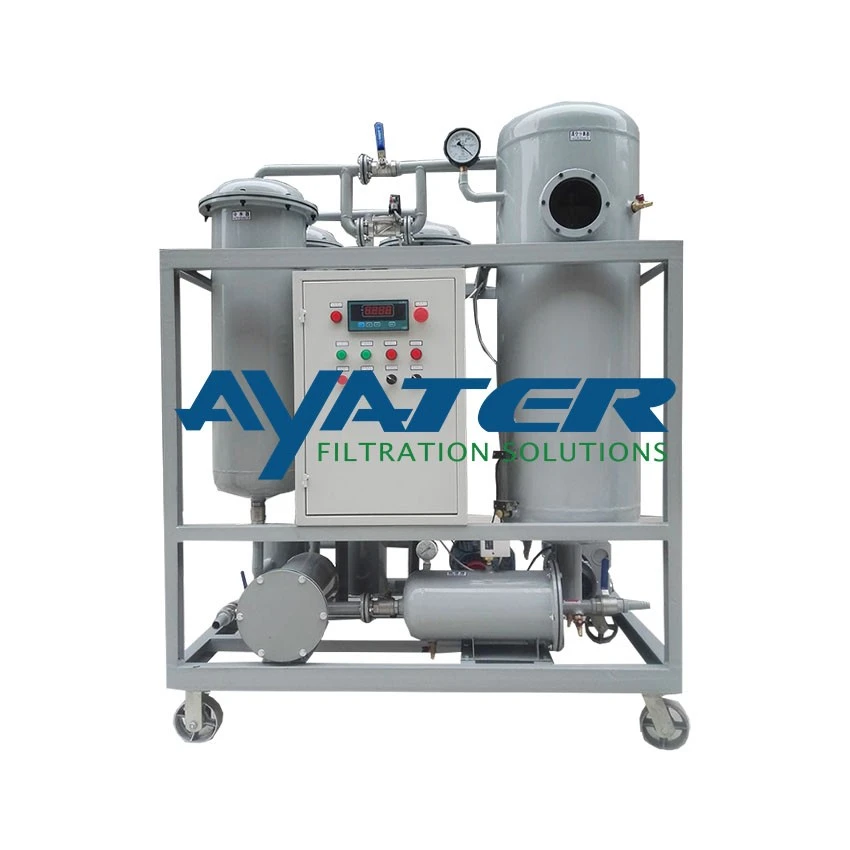
First off, let's understand what a lube oil purifier is. A lube oil purifier is a device that helps clean and purify lubricating oil. It gets rid of contaminants like water, dirt, and other impurities that can build up in the oil over time. This is super important because clean oil means better performance and longer lifespan for the machinery it lubricates. We offer a range of products, including Lube Oil Flushing Equipment, Lubricating Oil Purifier System, and Lube Oil Filtration Systems.
Now, when it comes to food - processing machinery, there are some really strict regulations and standards. The main concern is food safety. We can't have any contaminants from the lubrication system getting into the food. So, the big question is whether a lube oil purifier can meet these high - stakes requirements.
The Role of Lubrication in Food - Processing Machinery
Lubrication is crucial in food - processing machinery. It reduces friction between moving parts, which in turn reduces wear and tear, and helps the machinery run smoothly. Without proper lubrication, the machinery can break down, leading to costly repairs and production downtime.
In food - processing, there are two main types of lubricants: food - grade and non - food - grade. Food - grade lubricants are specifically designed to be safe in case of incidental contact with food. Non - food - grade lubricants, on the other hand, are not meant for use where there's a risk of food contact.
Can a Regular Lube Oil Purifier Work?
A regular lube oil purifier is designed to clean general lubricating oils. These purifiers are great for industrial applications where the main goal is to keep the machinery running well. But when it comes to food - processing, they might not cut it.
The problem is that regular purifiers are not designed with the strict food - safety requirements in mind. They might not be able to prevent cross - contamination or might not be made of materials that are safe for use in a food - processing environment. For example, the filters in a regular purifier could release small particles that could end up in the food.
Specialized Lube Oil Purifiers for Food - Processing
However, there are specialized lube oil purifiers that are designed for food - processing machinery. These purifiers are built to meet the strict food - safety standards. They are made of materials that are non - toxic and won't contaminate the food.
These specialized purifiers also have features that prevent cross - contamination. For example, they might have a double - filtration system to ensure that all contaminants are removed. And they are often designed to be easy to clean and maintain, which is important in a food - processing environment where hygiene is key.
Advantages of Using a Suitable Lube Oil Purifier in Food - Processing
If you use a suitable lube oil purifier in your food - processing machinery, there are several benefits. Firstly, it helps maintain the quality of the lubricant. Clean lubricant means better performance of the machinery. This can lead to less downtime for maintenance and repairs, which ultimately saves you money.
Secondly, it helps ensure food safety. By keeping the lubricant clean and free of contaminants, you reduce the risk of food contamination. This is not only important for the health of the consumers but also for the reputation of your business.
Factors to Consider When Choosing a Lube Oil Purifier for Food - Processing
When choosing a lube oil purifier for food - processing machinery, there are a few things you need to consider.
Compliance with Standards: Make sure the purifier meets all the relevant food - safety standards. Look for certifications like NSF (National Sanitation Foundation) certification, which indicates that the product has been tested and approved for use in food - processing.
Material of Construction: The purifier should be made of materials that are safe for use in a food - processing environment. Stainless steel is a common choice because it's non - toxic and easy to clean.
Filtration Efficiency: The purifier should have a high - efficiency filtration system to remove all contaminants from the lubricant. This includes small particles and water.
Ease of Cleaning and Maintenance: In a food - processing environment, it's important to be able to clean and maintain the purifier easily. Look for a purifier that has accessible parts and a design that allows for quick and thorough cleaning.
Our Offerings for Food - Processing Purification
As a supplier of lube oil purifiers, we understand the unique needs of food - processing machinery. We offer a range of specialized purifiers that are designed to meet the strict food - safety standards. Our products are made of high - quality, food - safe materials and have advanced filtration systems to ensure the purity of the lubricant.
We also provide excellent after - sales service. Our team of experts can help you choose the right purifier for your specific needs and can assist with installation, maintenance, and troubleshooting.
Conclusion
So, can a lube oil purifier be used in food - processing machinery? The answer is yes, but only if it's a specialized purifier that meets the strict food - safety standards. Using a suitable lube oil purifier in your food - processing machinery can bring many benefits, including better machinery performance and improved food safety.
If you're in the food - processing industry and are looking for a reliable lube oil purifier, don't hesitate to get in touch. We're here to help you find the perfect solution for your machinery. Whether you need more information about our products or want to start a purchase negotiation, we're just a message away.

References
- Food and Agriculture Organization of the United Nations. (2023). Guidelines for the use of lubricants in food processing.
- National Sanitation Foundation. (2023). Standards for food - processing equipment.
- Industrial Lubrication Handbook. (2022). McGraw - Hill.