

Self cleaning filter is a type of filtration system that utilizes various methods and techniques to remove particles and debris from the fluid being filtered. Unlike traditional filters that require manual intervention to clear accumulated contaminants,automatic self cleaning filters can operate continuously without downtime or interruptions.
Why Choose Us
Excellent Quality
We use industry leading technology and international quality standards to manufacture our filtration products.
Competitive Price
We offering a higher-quality product or service at an equivalent price. As a result we have a growing and loyal customer base.
Support Customization
Many of the industrial filtration products we offer can be customized to meet specific industry requirements.
Ship Globally
As a manufacturer, we ship directly to customers worldwide, saving costs and shortening lead times to customers.


Working Principle Of Self Cleaning Filter
The medium to be cleaned is guided into the filter by inlet, which passes from inside to outside through the element gap. After filtration, the filtered fluid enters the filter housing from the to. The bigger solids are separated on the inner surfase or filter element. When it runs for a certain time, the gap between wires element gets plugged up by impurities and meanwhile the differential pressure reaches its pre-set value.
Then PLC inspects the signal and sends out the indication to gear motor. The gear motor drives the scraper and the particles or agglomerates are skimmed from the surface, thereby keeping the function of elements well and keeping the element gap clean.
When the impurities at the bottom of the filter increases, the drain valve opens up and the impurities are emptied successfully, which makes the system pressure achieve normality. Because of well-set position and optimum scraping angle, the a rotational scraper drains off the impurities from the filter with the help of the gear motor. This avoids the burden of taking apart the element and washing it, which results into successful filtration of the medium. The scraper system contains Agitator, Mechanical Seal and Control Panel, which are designed for automatic cleaning, and especially for the reasonable spring pressure, maximally reducing the element's abrasion.
What Are the Components of an Automatic Self-Cleaning Filter?
Motor
To ensure proper functioning of the filter, there must be an energy force propelling the fluid forward, generated by the motor for filter cleaning.When selecting a motor for your self-cleaning filter, consider both the filter size and application to ensure sufficient energy is provided without interrupting operations.
Inlet and Outlet Valve
The inlet valve allows fluid entry during filtration,with varying sizes available depending on application scale. Correct inlet sizing maintains fluid flow relative to pressure. Conversely, the outlet valve permits filtered fluid to exit the filter after completion.
Control System
The control system is the brain of the automatic self-cleaning filter. It monitors various parameters such as differential pressure across the filter, flow rate, and time intervals for initiating cleaning cycles.
Drain Plug
A crucial cleaning component, the drain plug, located at the filter base, expels contaminants to maintain continuous filter operation.
Filter Element
Holding unwanted particles during filtration, the filter element comes in different sizes and materials tailored to fluid filtration quality. Regular maintenance is essential due to their active role in filter operation.
Collector of Dirt
In the dirt collector, contaminants gradually accumulate during the filtration process, ensuring uninterrupted application processes until the collector requires full disposal to maintain maximum output.
Suction Nozzle
The suction nozzle dumps the dirt in the dirt collector. Depending on the filter form you choose, there are various types of suction nozzles. The air suction nozzle, the water suction nozzle, and the oil suction nozzle are all in the market.
Benefits Of Self Cleaning Filter

Reduced Maintenance
By automating the cleaning process, filter self cleaning minimize manual intervention and associated maintenance costs, reducing downtime for cleaning or filter replacements.
Continuous Filtration
Self cleaning water filter enable uninterrupted filtration, ensuring a steady flow of purified fluids and avoiding process interruptions. This is crucial in applications where a consistent flow is vital.


Improved Efficiency and Cost-Savings
The ability to maintain optimal filtration performance for extended periods results in improved efficiency and reduces the need for frequent filter replacements. This translates to significant cost savings in terms of filter elements, labor, and disposal.
Enhanced System Reliability
With their self-maintaining properties, these filters ensure consistent removal of contaminants, preventing clogging and extending the lifespan of downstream equipment. This enhances the overall reliability of the filtration system.

What To Consider When Buying Self-Cleaning Filters?
Type Of Contaminant
Identifying the type of contaminant present in your fluid is paramount. Contaminants vary in size and require specific filters for effective purification. For instance, fluids containing micro contaminants necessitate the use of micro self-cleaning filters, while larger quantities of pollutants may require larger self-cleaning filters.
Functions of the Filter
Consider the characteristics of the fluid, such as its strain, temperature, and pressure, as well as the filter's workload. By maintaining the right strain and understanding the flow of the liquid, you can select the most suitable self-cleaning filter for your application.
Labor and Cost
Labor costs and expenses associated with installing and maintaining the self-cleaning filter are crucial factors to consider, particularly concerning automated cleaning filters. Moreover, the impact of downtime on filter operation should not be overlooked, as minimizing downtime is essential for optimal application performance.
Disposal of Contaminant
Consideration must be given to how contaminants will be disposed of to ensure environmental safety.Some chemicals allow for straightforward disposal, while others pose environmental risks, especially in industrial settings. Proper disposal methods should be explored to mitigate environmental impacts, taking into account associated costs.
Filtration Efficiency
Understanding the required level of filtration is essential when selecting a self-cleaning filter. Different filters offer varying levels of efficiency, and the filter chosen must effectively fulfill the filtration purpose, ensuring that the resulting fluid is free from contaminants.
Where Are Applications Of Self-Cleaning Filters Systems?
Food Processing Industry
You may use a self-cleaning filter to eliminate toxins from your food to ensure the protection of food during processing. Various foods require various filters that you can use to ensure that pollutants are removed.
Power Generation
There are various power generation areas in which a self-cleaning filter may be used. For example, a self-cleaning filter is required in turbines to ensure effective and efficient fluid flow. Also, a self-cleaning filter is required for removing pollutants from the oil in the electric generators. You can produce electricity continuously because the filter allows steady work.
Water Treatment
For our consumption and other household tasks, we all need clean water. This calls for us to handle the water we use until we drink it. You can eliminate pollutants, including unwanted particles, from the water by using a self-cleaning filter. Different unwanted particles may be extracted from the water, making them safe to use depending on the size of the filter product. Using a self-cleaning filter in water treatment plants ensures that water treatment stays uninterrupted. This is due to its ability to clean itself.
Sewage Treatment
We all know how precious water is and how necessary it is to be stored and recycled, if possible. One method is by wastewater treatment. Sewage water treatment requires many measures that function successfully with the use of a self-cleaning filter. The benefit is that sewage water is constantly treated. Sewage water treatment facilitates water use in a variety of applications; an example is the provision of water for irrigation in farms.
Farming
It is very important to circulate water on your farm, and this is typically required at a continuous flow rate. The need to constantly have this water flowing is why the filter capable of self-cleaning is commonly used in the farm’s water system. A typical example, the animals on your farm will have to drink clean water. This water might have been polluted and might pose health risks to them. You will have to use a filter, and, in this case, it must be a filter that can allow a long process of work while it stores the pollutant. The irrigation of your farm is another field of use. You will need plenty of water to irrigate your farm, which can often be polluted like rivers. Therefore, before the water flows into the farm, you must eliminate the pollutants. This can be done using a self-cleaning filter that removes impurities and allows clean water flow to your farm. The size of the filter used will depend on the size of the pollutants you wish to eliminate.
The Different Types of Self-Cleaning Filters

Automatic Backwash Filters
These filters use a reverse flow of fluid to dislodge and remove accumulated particles from the filter media.

Mechanical Scraping Filters
These filters use a mechanical arm or blade to scrape off and remove particles from the filter surface physically.

Horizontal Self Cleaning Filter
These filters use a suction nozzle or a vacuum system to remove particles from the filter surface.
Why Should You Consider Self-Cleaning Filters?
Economical and efficient
If you compare filters, self-cleaning filters are cheap and more effective than other filters. Maintaining this filter takes little to no stress. You get the value for money spent when you purchase this.
Market availability
Self-cleaning filters are readily available in the market. You will find them in various sizes and different brands. The filter is designed in such a way that manufacturers make them suit your need. So, you are allowed to choose a filter with varying degrees of filtration that suit the jobs you want it for.
Non-stop filtering
Filtration of the self-cleaning filter is a continuous thing. The filter continuously cleans itself while you work. In cases where you have to work for a long period, the self-cleaning filter takes the burdening of removing clog off you.
Contaminant holding area
When you use a filtering device, you will need to always dispose of the contaminant regularly. The self-cleaning filter saves you that stress because it comes with a contaminant where these entities are stored. It saves you time, and you can continue working for longer hours.
You don’t need to be a guru to use one
Using a self-cleaning filter doesn’t require much knowledge. They usually come with manuals that give simple step by step installation, removal, and maintenance method.
Comparing Self Cleaning Filter to Traditional Filters
Maintenance Requirements
Traditional filters require regular manual cleaning and replacement of filter media. This can be labor-intensive and costly. In contrast, self-cleaning filters require minimal maintenance, as the cleaning process is automated.
01
Operational Efficiency
Self-cleaning filters maintain a consistent flow rate and filtration efficiency by continuously removing debris. Traditional filters can become clogged over time, reducing their efficiency and requiring frequent intervention.
02
Cost-Effectiveness
While self-cleaning filters may have a higher initial cost compared to traditional filters, they offer long-term cost savings through reduced maintenance and extended lifespan. Traditional filters may seem cheaper initially but can incur higher operational costs over time.
03
Water Quality
Both self-cleaning and traditional filters are effective at removing contaminants from water. However, self-cleaning filters provide a more consistent level of filtration due to their automated cleaning process, ensuring superior water quality.
04
Our Factory
Ayater Filtration is a manufacture filtration and separation products for applications across many sectors including the Oil and Gas industry, food & beverage, pharmaceutical, biotech, pulp & paper, mining, manufacturing, power generation, agriculture, marine, and so on.
AYATER strives to provide outstanding value with exceptional customer service, excellent product expertise and technical support, and industry-leading and competitively priced products that are in stock on time.

Certifications


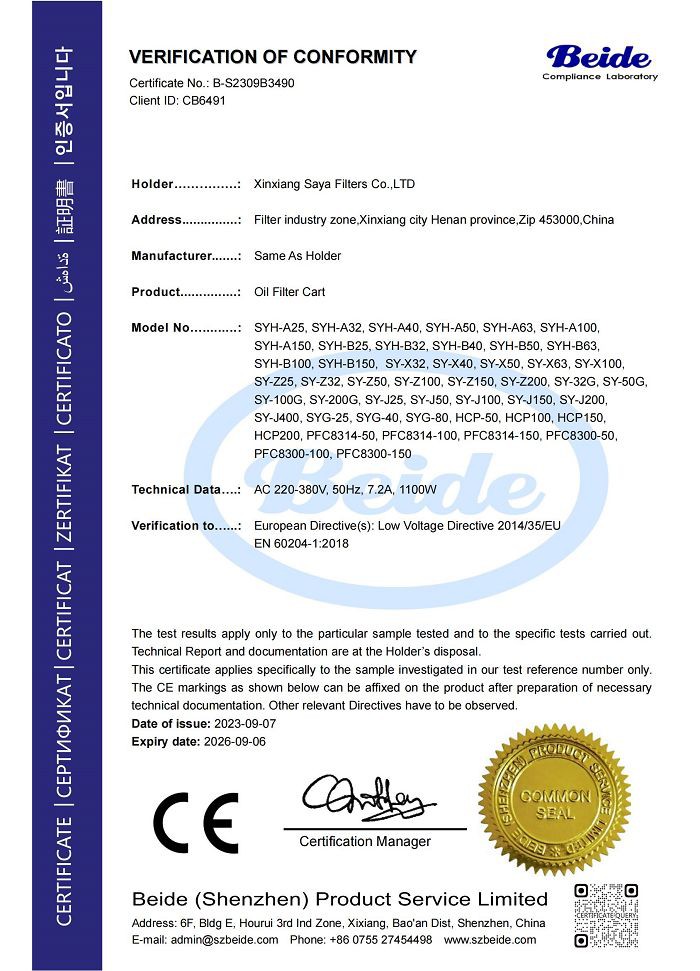


FAQ
Q: How does a self-cleaning filter work?
Q: What is a self-cleaning filter in a dishwasher?
Q: What triggers the self cleaning action of an auto-clean filter?
Q: How do self-cleaning strainers work?
Q: What is the function of self-cleaning filter?
Q: How does self-cleaning technology work?
Q: What is the function of self-cleaning filter?
Q: What is a self-cleaning type filter?
Q: How does a self-cleaning water filter work?
Raw water enters through the filter's inlet and passes first through the coarse screen which catches large debris and sediment. The water then continues to flow through the filter and passes through the inner fine screen which catches the remaining smaller particles.
Q: How does the backwashing process work in a self-cleaning filter?
Q: Are self-cleaning filters energy-efficient?
Q: How does the filter size impact the performance of a self-cleaning filter?
Q: Can self-cleaning filters handle corrosive fluids?
Q: What role does the filter media play in self-cleaning filters?
Q: How does temperature affect the operation of self-cleaning filters?
Q: Are there any environmental benefits to using self-cleaning filters?
Q: How do self-cleaning filters compare to manual filters in terms of efficiency?
Q: What is the lifespan of a self-cleaning filter?
Q: Can self-cleaning filters be used for both water and air filtration?
Q: What are the future trends in self-cleaning filter technology?
We're professional self cleaning filter manufacturers and suppliers in China, specialized in providing high quality customized service. We warmly welcome you to buy self cleaning filter in stock here from our factory. For price consultation, contact us.
scanning self cleaning filter, scraper self cleaning filter, automatic self cleaning brush filter