

A filter element is a replaceable component in a filtration system that is designed to remove contaminants from a fluid, such as air or liquid. It typically consists of a porous material, such as fabric, paper, or pleated media, that traps unwanted particles as the fluid passes through it. Filter elements are used in various applications, including automotive, industrial, and commercial systems, to help maintain the cleanliness and quality of the fluid being filtered. They need to be replaced periodically to ensure the continued effectiveness of the filtration system.
Why Choose Us
Excellent Quality
We use industry leading technology and international quality standards to manufacture our filtration products.
Competitive Price
We offering a higher-quality product or service at an equivalent price. As a result we have a growing and loyal customer base.
Support Customization
Many of the industrial filtration products we offer can be customized to meet specific industry requirements.
Ship Globally
As a manufacturer, we ship directly to customers worldwide, saving costs and shortening lead times to customers.


Advantages Of Filter Cartridges
High Precision Filtering
The filter element adopts precision filtration media such as microporous membrane, fiber layer, activated carbon, etc., which can effectively remove impurities such as small particles, suspended solids, bacteria, viruses, chemical pollutants, etc. in the fluid, achieving high-precision filtration effect. This is particularly important for industries that require high cleanliness fluids, such as pharmaceuticals, electronics, food, etc.
Long lifespan and durability
The high-quality filter element is made of wear-resistant and corrosion-resistant materials, which can operate stably for a long time in harsh working environments. At the same time, the design and structure of the filter element have been optimized to reduce the risk of blockage and damage, thereby extending its service life.
Wide adaptability
There are various materials and types of filter cartridges that can adapt to the needs of different media and working environments. For example, there are filters for water treatment, filters for oil products, filters for air purification, etc. In addition, parameters such as pore size and filtration accuracy of the filter element can also be customized according to specific needs.
Easy to replace and maintain
Many filters adopt modular design, and the filter element can be easily disassembled and replaced. This design not only simplifies the maintenance process, but also reduces maintenance costs. Meanwhile, the cleaning and regeneration of the filter element are relatively easy, which helps to extend its service life.
Improve filtration efficiency
The optimized design of the filter element enables the fluid to fully contact the filtering medium when passing through, thereby improving the filtration efficiency. This helps reduce filtration time, lower energy consumption, and improve overall production efficiency.
Protecting downstream equipment
By effectively removing impurities and particulate matter from the fluid, the filter element can reduce the wear and corrosion of downstream equipment caused by these impurities. This helps to extend the service life of the equipment, reduce maintenance costs, and improve the stability and reliability of the entire system.
Improving product quality
In industries that require high-purity fluids, such as pharmaceuticals and semiconductor manufacturing, filter cartridges can ensure the purity of the fluid, thereby avoiding the impact of impurities on product quality. This helps to improve the quality and competitiveness of the product.
Energy conservation and environmental protection
The filtering function of the filter element helps to reduce the discharge of wastewater and exhaust gas, and reduce environmental pollution. Meanwhile, efficient filtration can also reduce energy consumption and waste, in line with the concept of energy conservation and environmental protection.
Types Of Filter Element


Depth Filters
Depth filters are constructed using dense materials such as cellulose or glass fibers arranged in a matrix configuration. These materials create a tortuous path for hydraulic fluid to flow through, effectively trapping contaminants throughout the depth of the filter media. Particles are captured not only on the surface but also within the structure of the filter material, providing high dirt-holding capacity. Depth filters are ideal for applications where extended service life and efficient removal of contaminants of various sizes are critical.
Surface Filters
Surface filters utilize a pleated membrane or screen made of materials like cellulose, polyester, or metal to capture particles on the surface. As hydraulic fluid passes through the pleats or across the screen, contaminants are trapped on the exterior, preventing them from entering the system. Surface filters offer fine filtration capabilities, effectively removing smaller particles and ensuring cleaner hydraulic fluid suitable for sensitive components.
Bag Filters
Bag filters consist of a fabric bag, often made of nylon or polyester, that captures contaminants as hydraulic fluid flows through. These filters are designed for high-flow applications where large fluid volumes need efficient purification. Bag filters offer easy maintenance by replacing the bag when necessary, making them cost-effective solutions for industrial and automotive hydraulic systems.
Magnetic Filters
Magnetic filters utilize magnetic fields to attract and capture ferrous particles from hydraulic fluid. They effectively remove metal debris that could cause wear and damage to system components such as pumps and valves. Magnetic filters are often used with other filters to enhance overall system cleanliness and reliability.
Breather Filters
Breather filters are crucial in maintaining clean air inside hydraulic reservoirs, preventing moisture and particle contamination from entering the system. These filters typically incorporate desiccants or membranes to absorb moisture and filter out airborne particles before they can degrade hydraulic fluid quality. Breather filters are essential for extending the lifespan of hydraulic fluid and minimizing maintenance requirements in various industrial applications.
Selection Criteria For Filter Element

Particle Size Rating
The particle size rating, commonly measured in microns, shows the size of particles that the filter can successfully catch. Understanding the micron rating is critical when selecting filters based on the cleanliness needs of the hydraulic system.
Flow Rate Compatibility
The filter’s capacity must match the hydraulic system’s flow rates to avoid pressure drops and ensure proper fluid circulation. Filters should be chosen based on flow rate capabilities to ensure the best system performance.
Fluid Compatibility
Fluid viscosity, temperature range, and chemical compatibility with hydraulic fluids are all important factors. To remain effective over time, filters must be able to tolerate operational circumstances without degrading.
Environmental Conditions
Fluid viscosity, temperature range, and chemical compatibility with hydraulic fluids are all important factors. To remain effective over time, filters must be able to tolerate operational circumstances without degrading.

Solid particle pollutant does great harm to hydraulic lubrication system. Each hydraulic and lubrication system has its own minimum requirements for the amount of contaminants in the oil-system target cleanliness. When the content of solid particles is lower than that of the system, the system can work well; When the content of solid particles is higher than the systematic target, the performance, reliability and service life of the system will be affected.
Because internal production hydraulic system will inevitably add a lot of solid particle pollution during operation, and because of outside invasion, hydraulic system must constantly remove solid particle contaminants so as to ensure the realization of target cleanliness.
The filter element is made of porous material. The solid particles in the system medium are trapped by surface interception and the adsorption of curved holes so as to achieve the purpose of purifying the medium. At the same time, the trapped solid particles may block the media channel of the filter element and make the pressure increase. When pressure reaches to extremity, the filter element cannot continue to work and needs to be replaced. Thus, the filter element is a consumable part of the system.
Steps To Select Alternative Filter Elements
Check The Current Situation Of Medium Cleanliness
The target cleanliness of the hydraulic and lubricating systems is given by the manufacturer of the equipment., users can know it from raw technical data of the equipment. When using the original filter element to maintain the cleanliness of the system, users can check whether original filter element can meet the system target cleanliness requirements by detection of contamination of system media. If the system cleanliness is qualified, the reasons need to be analyzed.
Provide detailed information of the original filter element
To use a satisfactory alternative filter element, users must provide details of the original filter element and new or old original filter elements. In this way, it can help the manufacturer of alternative filter element to fully understand and master the performance parameters and dimension parameters of the original filter element, so as to obtain a satisfactory alternative filter element.
The quality, size, and structure can be easily judged by observation and trial assembly, but filtration accuracy, absorption capacity, initial pressure and other performance parameters can only be known after passing the corresponding inspection standards. Thus the users must ask the manufacturer of the replacement filter element to show the corresponding experimental results. Qualified users can also test the performance of the filter element by themselves or through a third party. Of course, users can also check the cleanliness of the system after the use of the alternative filter element to judge the quality of the alternative filter element.
Service Life And Maintenance Precautions Of Filter Elements
Service life of filter element
The service life of filter elements is usually determined by the following factors:
Filter material and specifications
The service life of filter elements varies with different materials and specifications. For example, the service life of titanium rod filter elements is usually longer, up to 1-2 years; The service life of polypropylene filter elements is relatively short, usually 3-6 months.
Filter medium
Different filtering media also have an impact on the service life of the filter element. For example, the service life of a filter element for filtering liquids is relatively short, as impurities in the liquid can cause significant pressure and damage to the filter element; The service life of the filter element for filtering gas is relatively long because there are fewer impurities in the gas.
Working environment and conditions
The working environment and conditions are also important factors that affect the service life of the filter element. For example, working environments with high temperatures, pressures, and concentrations can accelerate the aging and damage of filter elements, thereby affecting their service life.
Precautions for maintenance of filter elements
In order to extend the service life of the filter element and ensure filtration efficiency, regular maintenance and upkeep of the filter element are necessary. Here are some maintenance precautions for filter elements:
Regularly clean the filter element
After long-term use, a large amount of impurities and dirt will accumulate on the surface of the filter element, leading to a decrease in filtration efficiency. Therefore, it is necessary to regularly clean the filter element, and methods such as water washing and ultrasonic cleaning can be used for cleaning.
Replace the filter element in a timely manner
After the service life of the filter element expires, it needs to be replaced in a timely manner, otherwise it will affect the filtration efficiency and service life. Generally speaking, the replacement cycle of filter elements is 6 months to 1 year, and the specific cycle varies depending on actual usage and filter element type.
Check the filter element
Regular inspection of the filter element and timely detection of problems are important steps to ensure the normal operation and filtration efficiency of the filter element. When inspecting, it is necessary to pay attention to whether there are impurities and damages on the surface and inside of the filter element.
Avoidance
Avoid excessive compression and wear
During the use of the filter element, it is necessary to avoid excessive compression and wear to ensure filtration efficiency and service life. Excessive compression or excessive friction can cause deformation, damage, and reduced effectiveness of the filter element, and even lead to problems such as leakage.
Keep the filter element dry
Some filter element materials need to be kept dry during use to avoid deformation and corrosion of the filter element caused by a humid environment. When storing and using filter elements, sealing bags or boxes can be used for sealing and protection.
Choose the appropriate filter element
Choosing a suitable filter element is a prerequisite for ensuring the normal operation and filtration efficiency of the filter element. It is necessary to select suitable filter element materials and specifications based on actual needs and filter media, and install and use them according to requirements.
Our Factory
Ayater Filtration is a manufacture filtration and separation products for applications across many sectors including the Oil and Gas industry, food & beverage, pharmaceutical, biotech, pulp & paper, mining, manufacturing, power generation, agriculture, marine, and so on.
AYATER strives to provide outstanding value with exceptional customer service, excellent product expertise and technical support, and industry-leading and competitively priced products that are in stock on time.

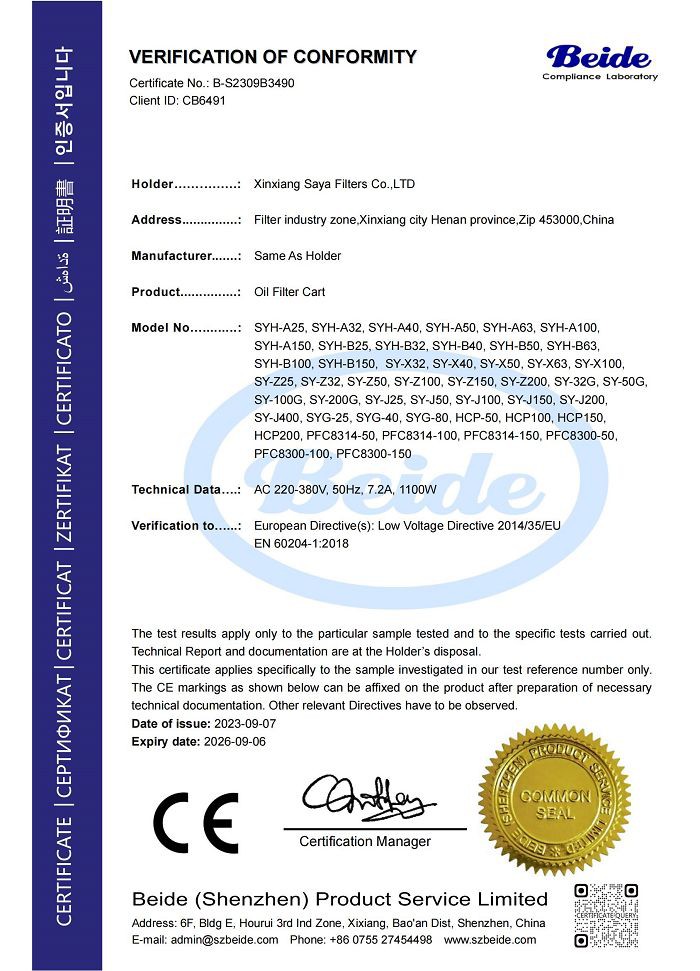
Certifications




FAQ
Q: What is a filter element?
Q: How do filter elements work?
Q: What are the main types of filter elements?
Felt and Fiber Elements: Used for coarse filtration.
Woven Wire Cloth: Effective for medium to fine filtration.
Folding Elements: Provide high surface area for high flow rates.
Cartridge Filters: Common in hydraulic and oil filtration systems.
Bag Filters: Suitable for large volume filtration in industrial processes.
Q: What is the importance of filter elements in hydraulic systems?
Q: How often should filter elements be replaced?
Q: What factors affect the efficiency of a filter element?
Q: Can filter elements be cleaned and reused?
Q: What is the role of filter elements in air filtration systems?
Q: How are filter elements tested for performance?
Q: What is the impact of temperature on filter element performance?
Q: Can filter elements remove chemical contaminants?
Q: What is the difference between absolute and nominal ratings in filter elements?
Q: How do filter elements contribute to environmental protection?
Q: What is the role of filter elements in water treatment?
Q: How do filter elements impact the maintenance of machinery?
Q: What are the challenges in designing filter elements for high-pressure systems?
Q: Can filter elements be customized for specific applications?
Q: How do advancements in technology improve filter elements?
Q: What are the safety considerations when handling filter elements?
Q: How does the selection of filter element affect the overall system design?
We're professional filter element manufacturers and suppliers in China, specialized in providing high quality customized service. We warmly welcome you to buy filter element in stock here from our factory. For price consultation, contact us.