

Can a water filter element remove algae?
Algae are a diverse group of photosynthetic organisms that can be found in various water sources, including lakes, rivers, and even tap water. The presence of algae in water can not only affect the aesthetic quality but also pose potential health risks and operational problems in water systems. As a water filter element supplier, I often get asked whether our filter elements can effectively remove algae from water. In this blog, I will explore this question in detail, delving into the nature of algae, the working principles of different water filter elements, and their effectiveness in dealing with algae.
Understanding Algae
Algae come in different forms, from single - celled microalgae to large, multicellular seaweeds. In water systems, the most common types are microscopic algae, such as green algae, blue - green algae (cyanobacteria), and diatoms. Green algae are often responsible for the greenish tint in water, while blue - green algae can produce toxins under certain conditions, which are harmful to humans and animals. Diatoms have a hard silica shell and can cause clogging in water systems.
The growth of algae is mainly driven by sunlight, nutrients (such as nitrogen and phosphorus), and suitable water temperature. In stagnant or slow - moving water bodies, these conditions can easily lead to algal blooms, which can quickly increase the concentration of algae in the water.
How Water Filter Elements Work
Water filter elements work through different mechanisms to remove contaminants from water. The main types of filtration mechanisms include mechanical filtration, adsorption, and chemical filtration.
Mechanical Filtration
Mechanical filtration is the most basic form of filtration. It works by physically blocking particles larger than the pore size of the filter element. For example, a sediment filter with a small pore size can trap large algal cells and clumps. The efficiency of mechanical filtration depends on the pore size of the filter. A smaller pore size can remove smaller particles, but it also increases the risk of clogging.
Adsorption
Adsorption is the process by which contaminants adhere to the surface of the filter media. Activated carbon is a common adsorbent used in water filters. It has a large surface area with many tiny pores, which can attract and hold organic compounds, including some algal metabolites. However, activated carbon may not be very effective in directly removing whole algal cells, as they are relatively large compared to the molecules that activated carbon can adsorb.
Chemical Filtration
Chemical filtration involves chemical reactions between the filter media and contaminants in the water. For example, some filter elements contain chemicals that can react with algae or their toxins to neutralize them.
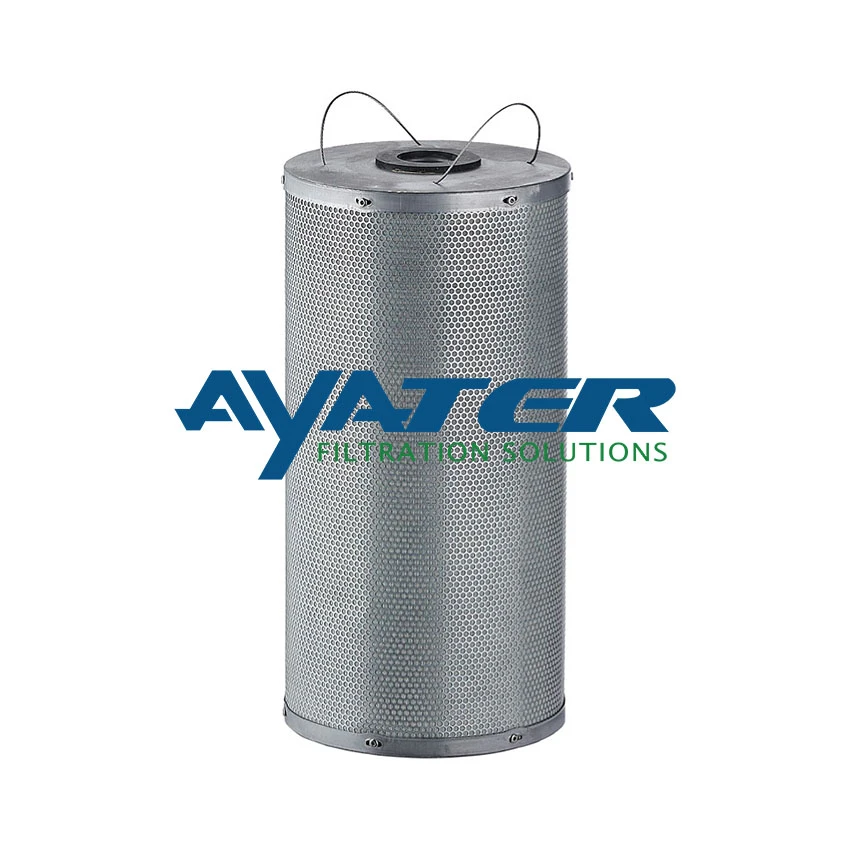

Effectiveness of Different Water Filter Elements in Removing Algae
Sediment Filters
Sediment filters are designed to remove large particles from water, including sand, silt, and large algal clumps. These filters typically have pore sizes ranging from 1 to 100 microns. A sediment filter with a pore size of 5 microns or smaller can effectively remove many algal cells. However, very small algal cells or single - celled algae may pass through the filter. If the water has a high concentration of algae, sediment filters can quickly become clogged, reducing their filtration efficiency.
Activated Carbon Filters
As mentioned earlier, activated carbon filters are mainly used for adsorbing organic compounds and improving the taste and odor of water. While they may not directly remove whole algal cells, they can help remove some of the algal - produced metabolites, such as geosmin and 2 - methylisoborneol (MIB), which are responsible for the earthy and musty odors in water. Our Amine Activated Carbon Filter is a specialized type of activated carbon filter that can enhance the adsorption capacity for certain contaminants, which may also be beneficial in dealing with some algal by - products.
Membrane Filters
Membrane filters, such as microfiltration (MF), ultrafiltration (UF), nanofiltration (NF), and reverse osmosis (RO) membranes, have very small pore sizes. Microfiltration membranes typically have pore sizes in the range of 0.1 to 10 microns, which can effectively remove most algal cells. Ultrafiltration membranes have even smaller pore sizes (0.001 to 0.1 microns) and can remove not only algae but also bacteria and some viruses. Nanofiltration and reverse osmosis membranes have extremely small pore sizes and can remove almost all contaminants, including algae, salts, and organic molecules. However, membrane filters are more expensive and require more complex maintenance compared to other types of filters.
Amine Carbon Filter and Amine Solution Filter
Our Amine Carbon Filter combines the properties of activated carbon with amine - based chemicals. The amine groups can react with certain contaminants in the water, potentially including some algal - related substances. The Amine Solution Filter is designed to work in a solution - based filtration system, which can provide a more comprehensive approach to water treatment. These filters may have an enhanced ability to deal with the chemical aspects of algal contamination, such as removing algal toxins.
Limitations and Considerations
While water filter elements can be effective in removing algae to some extent, there are several limitations and considerations.
Clogging
As mentioned, high concentrations of algae can quickly clog filter elements, especially mechanical filters. This not only reduces the filtration efficiency but also shortens the lifespan of the filter. Regular maintenance, such as backwashing or replacing the filter, is necessary to ensure continuous operation.
Toxin Removal
Some algae, such as blue - green algae, can produce toxins. While some filter elements can remove the algal cells, they may not be able to completely remove the toxins. Specialized treatment methods, such as advanced oxidation processes or the use of specific chemical adsorbents, may be required to deal with algal toxins.
Compatibility with Water Source
The effectiveness of a water filter element also depends on the characteristics of the water source. For example, if the water has a high turbidity or contains a large amount of organic matter, it may affect the performance of the filter.
Conclusion
In conclusion, water filter elements can play an important role in removing algae from water, but their effectiveness varies depending on the type of filter element and the characteristics of the algae and water source. Sediment filters can remove large algal clumps, activated carbon filters can help with algal - produced metabolites, and membrane filters can provide high - efficiency removal of algae and other contaminants. Our Amine Activated Carbon Filter, Amine Carbon Filter, and Amine Solution Filter offer specialized solutions for dealing with algal contamination.
If you are facing problems with algae in your water system and are interested in finding the right water filter element, I encourage you to contact us for more information. We can provide customized solutions based on your specific needs and water quality requirements. Let's work together to ensure clean and safe water for your applications.
References
- USEPA. (2019). Algae and Cyanobacteria in Surface Waters. United States Environmental Protection Agency.
- AWWA. (2017). Water Quality and Treatment: A Handbook of Community Water Supplies. American Water Works Association.