

As a supplier of hydraulic filter elements, I understand the critical role these components play in the proper functioning of hydraulic systems. The reliability of a hydraulic filter element is paramount as it directly impacts the performance, efficiency, and longevity of the entire hydraulic system. In this blog post, I will share some effective strategies on how to improve the reliability of a hydraulic filter element.
1. Select the Right Filter Element
The first step in ensuring the reliability of a hydraulic filter element is to choose the right one for your specific application. Different hydraulic systems have different requirements in terms of flow rate, pressure, and the type of contaminants they need to remove.

When selecting a filter element, consider the micron rating. The micron rating indicates the size of the particles that the filter can effectively remove. A lower micron rating means the filter can capture smaller particles. However, it's important to balance the need for fine filtration with the potential for increased pressure drop. If the pressure drop across the filter is too high, it can lead to reduced flow rate and increased energy consumption.
For example, in a high - precision hydraulic system where even the smallest particles can cause damage, a filter element with a lower micron rating, such as 1 - 5 microns, may be required. On the other hand, in a less critical system, a filter with a higher micron rating, say 10 - 25 microns, might be sufficient.
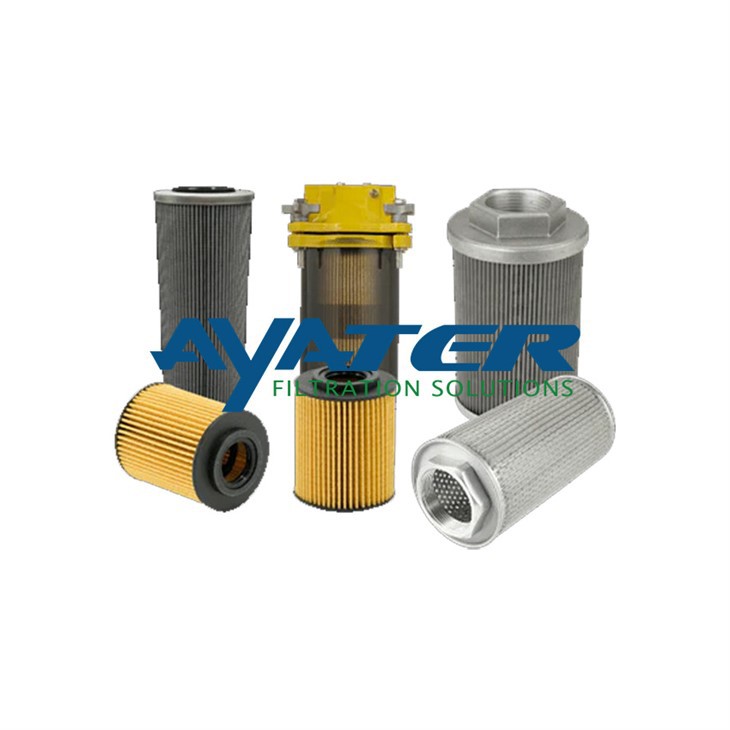
We offer a wide range of filter elements, including Lube Filter Element, Hydraulic Filter Element, and Spin - On Filter Element. Each type is designed to meet specific application needs, so you can find the perfect match for your hydraulic system.
2. Use High - Quality Materials
The materials used in the construction of a hydraulic filter element significantly affect its reliability. High - quality filter media, such as glass fiber or synthetic materials, offer better filtration efficiency and durability compared to lower - quality alternatives.
Glass fiber media, for instance, has a high dirt - holding capacity and can withstand high pressures. It also provides excellent filtration performance, removing a large percentage of contaminants from the hydraulic fluid. Synthetic materials, on the other hand, are often more resistant to chemical degradation, making them suitable for use in harsh environments.
In addition to the filter media, the housing and end caps of the filter element should also be made of high - quality materials. Stainless steel or aluminum housings are commonly used as they are corrosion - resistant and can withstand the pressure and temperature variations in a hydraulic system.
3. Implement Proper Installation Procedures
Proper installation of the hydraulic filter element is crucial for its reliable operation. Incorrect installation can lead to leaks, bypassing of contaminants, and premature failure of the filter.
Before installing the filter element, make sure the housing is clean and free of any debris. Inspect the O - rings or gaskets for damage and replace them if necessary. When installing the filter element, follow the manufacturer's instructions carefully. Ensure that the element is properly seated in the housing and that all connections are tightened to the recommended torque.
It's also important to prime the filter element before starting the hydraulic system. Priming helps to remove any air from the filter and ensures that the hydraulic fluid can flow through it smoothly.
4. Regular Maintenance and Monitoring
Regular maintenance and monitoring are essential for improving the reliability of a hydraulic filter element. This includes checking the filter element for signs of damage or clogging on a regular basis.
One way to monitor the condition of the filter element is to use a differential pressure gauge. This gauge measures the pressure drop across the filter. As the filter becomes clogged with contaminants, the pressure drop increases. When the pressure drop reaches a certain level, it indicates that the filter element needs to be replaced.
In addition to monitoring the pressure drop, visual inspections can also provide valuable information. Look for signs of physical damage, such as cracks or tears in the filter media, and check for leaks around the filter housing.
Regularly changing the filter element at the recommended intervals is also crucial. Over time, the filter element will become saturated with contaminants, reducing its filtration efficiency. By replacing the filter element on schedule, you can ensure that the hydraulic system is continuously protected from harmful particles.
5. Protect the Filter Element from External Factors
External factors such as temperature, humidity, and vibration can also affect the reliability of a hydraulic filter element. To protect the filter element from these factors, proper insulation and mounting are required.
In high - temperature environments, the filter element may need to be insulated to prevent overheating. Overheating can cause the filter media to degrade, reducing its filtration efficiency. Similarly, in humid environments, the filter element should be protected from moisture to prevent corrosion.
Vibration can also cause damage to the filter element over time. To minimize the effects of vibration, the filter should be mounted securely using vibration - dampening mounts.
6. Train Your Staff
Proper training of your staff is essential for ensuring the reliable operation of hydraulic filter elements. Your staff should be educated on the importance of filter maintenance, installation procedures, and the signs of filter failure.
Training programs can include hands - on demonstrations of filter installation and replacement, as well as theoretical sessions on the principles of filtration and the operation of hydraulic systems. By providing your staff with the necessary knowledge and skills, you can ensure that they are able to perform their tasks correctly and identify potential problems before they become serious.
7. Work with a Reputable Supplier
Finally, working with a reputable supplier is crucial for obtaining high - quality and reliable hydraulic filter elements. A good supplier will not only provide you with the right filter elements for your application but also offer technical support and after - sales service.
As a hydraulic filter element supplier, we are committed to providing our customers with the highest quality products and services. We have a team of experienced engineers who can help you select the right filter element for your hydraulic system and provide you with professional advice on filter maintenance and installation.
If you are interested in improving the reliability of your hydraulic filter elements or are looking for high - quality filter elements for your hydraulic system, please contact us for a consultation. We look forward to working with you to meet your filtration needs.
References
- Hydraulic System Analysis and Design. Fluid Power Journal.
- Filtration Handbook. Elsevier.
- Best Practices for Hydraulic Filter Maintenance. Hydraulics & Pneumatics Magazine.