

Hey there! As a filter bag supplier, I've seen my fair share of issues that customers face with filter bags. In this blog, I'm gonna break down some of the common problems you might run into with filter bags and how to deal with 'em.
1. Clogging
One of the most frequent problems with filter bags is clogging. Over time, particles and debris accumulate on the surface of the filter bag, blocking the pores and reducing the flow rate. This can happen due to a few reasons.
If the particulate matter in the fluid you're filtering is too fine or sticky, it can easily get trapped in the filter bag's fibers. For example, when filtering a liquid that contains a high concentration of colloidal particles, these tiny particles can form a cake-like layer on the bag, making it difficult for the fluid to pass through.
Another cause could be an incorrect selection of the filter bag's micron rating. If the rating is too fine for the application, it will catch even the smallest particles, leading to quicker clogging. On the other hand, if it's too coarse, it might not filter out the desired particles properly.
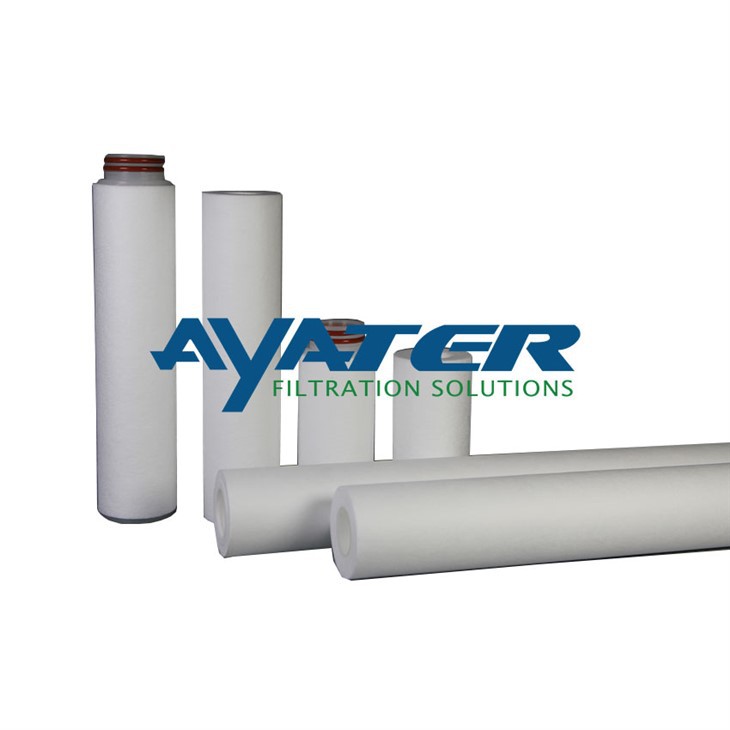
To tackle clogging, you can consider pre - filtering the fluid. Use a Spun Bonded Filter Cartridge or a Filter Basket upstream of the filter bag to remove the larger particles. This will reduce the load on the filter bag and extend its lifespan. You can also increase the frequency of filter bag replacement or cleaning, depending on the type of bag.
2. Abrasion
Abrasion is another big issue. Filter bags can be damaged by the friction between the bag and the filter housing, or by the movement of the particles being filtered. If the filter housing has rough edges or if the fluid flow is too turbulent, it can cause the filter bag to wear out quickly.
In some industrial applications, where the particles being filtered are hard and sharp, like in mining or metalworking, abrasion can be a major problem. These sharp particles can cut through the filter bag material, creating holes and reducing the bag's filtering efficiency.
To prevent abrasion, make sure the filter housing is smooth and free of any sharp edges. You can also choose a filter bag with a more abrasion - resistant material. Some filter bags are made with reinforced fabrics or coatings that can withstand the wear and tear better.
3. Chemical Compatibility
Filter bags are made from different materials, such as polyester, polypropylene, and nylon. Each material has its own chemical resistance properties. If the filter bag material is not compatible with the fluid being filtered, it can lead to a whole bunch of problems.
For instance, if you're filtering a highly acidic or alkaline solution with a filter bag that's not resistant to those chemicals, the bag material can break down. This can cause the bag to lose its structural integrity, and it might even release contaminants into the filtered fluid.
Before selecting a filter bag, it's crucial to know the chemical composition of the fluid you're filtering. You can refer to chemical compatibility charts provided by filter bag manufacturers to make the right choice. In some cases, you might need to use a special - purpose filter bag made from a more chemically resistant material.
4. Leakage
Leakage around the seams or the connection points of the filter bag is a common headache. This can happen if the seams are not properly sealed during the manufacturing process or if the bag is not installed correctly.
If the filter bag is not tightened properly in the filter housing, fluid can bypass the bag and flow directly through the gaps. Also, if the seams are weak, they can tear under the pressure of the fluid flow, allowing unfiltered fluid to pass through.
To fix leakage issues, make sure to follow the installation instructions carefully. Check the seams of the filter bag before installation and look for any signs of damage. If possible, choose filter bags with high - quality seams, like those that are heat - sealed or ultrasonically welded.
5. Incorrect Sizing
Using the wrong size of filter bag is a mistake that can cause all sorts of problems. If the filter bag is too small for the filter housing, it won't fit properly, and there will be gaps for the fluid to bypass. On the other hand, if it's too large, it can bunch up or get damaged during installation.
When ordering filter bags, make sure to measure the filter housing accurately. Consider factors like the diameter, length, and the type of connection required. Some filter bag suppliers offer custom - sized bags to ensure a perfect fit for your specific application.
6. Poor Filter Efficiency
Sometimes, even when the filter bag is not clogged or damaged, it might not be filtering the fluid as effectively as it should. This could be due to a variety of reasons.
The design of the filter bag might not be suitable for the type of particles being filtered. For example, if you're trying to filter out very fine particles, a filter bag with a simple surface filtration design might not be enough. You might need a bag with a depth filtration design that can trap particles throughout the thickness of the material.

Also, the fluid flow rate can affect the filter efficiency. If the flow rate is too high, the particles might not have enough time to be captured by the filter bag, and they will pass through. Adjusting the flow rate to an optimal level can improve the filtering performance.
7. Temperature Sensitivity
Filter bag materials can be sensitive to temperature. If the fluid being filtered is too hot or too cold, it can affect the performance and lifespan of the filter bag.
High temperatures can cause some filter bag materials to shrink, melt, or lose their strength. For example, polypropylene filter bags have a relatively low melting point, so they might not be suitable for high - temperature applications. On the other hand, low temperatures can make some materials brittle and more prone to cracking.
When selecting a filter bag, consider the temperature range of the fluid. Choose a material that can withstand the expected temperatures. Some filter bags are designed specifically for high - or low - temperature applications.
Conclusion
Well, there you have it - some of the most common problems with filter bags and how to address them. As a filter bag supplier, I know how important it is to choose the right filter bag for your application and to take proper care of it.
If you're facing any of these issues or if you're not sure which filter bag is best for your needs, don't hesitate to reach out. We can help you select the right filter bag, offer advice on installation and maintenance, and ensure that you get the best performance from your filtration system. Whether you need a standard filter bag or a custom - made one, we've got you covered. Contact us today to start a discussion about your filtration requirements and find the perfect solution for your business.
References
- Industrial Filtration Handbook, various editions
- Manufacturer's product manuals and technical data sheets for filter bags
- Research papers on filtration technology from industry - related journals