

Hey there! As a filter basket supplier, I've had my fair share of dealing with different types of filter baskets. They're super important in all sorts of industries, from water treatment to food and beverage. So, let's dive right in and take a look at the various types out there.
Mesh Filter Baskets
Mesh filter baskets are probably one of the most common types. They're made from a woven mesh material, which can be stainless steel, nylon, or other metals. The mesh size determines the level of filtration. A finer mesh will catch smaller particles, while a coarser one is better for larger debris.
These baskets are great because they're relatively inexpensive and easy to clean. You can just rinse them off or use a brush to get rid of the trapped particles. Mesh filter baskets are used in a wide range of applications, like filtering out sediment in water pipes or removing impurities from liquids in chemical processes.
Perforated Filter Baskets
Perforated filter baskets are made by punching holes in a sheet of metal, usually stainless steel. The size and pattern of the holes can be customized depending on the specific filtration needs. These baskets are known for their strength and durability.
They're often used in high-pressure applications where a strong filter is required. For example, in oil and gas industries, perforated filter baskets can withstand the pressure and filter out contaminants from the oil. They're also used in some industrial manufacturing processes to separate solids from liquids.
Woven Wire Filter Baskets
Woven wire filter baskets are similar to mesh filter baskets, but they're made in a different way. Instead of a simple woven mesh, the wires are woven in a more complex pattern, which can provide better filtration efficiency.
These baskets are commonly used in applications where a high level of precision is needed. For instance, in the pharmaceutical industry, woven wire filter baskets can be used to filter out fine particles from medications to ensure their purity. They're also used in the aerospace industry to filter fuel and lubricants.
Sintered Filter Baskets
Sintered filter baskets are made by compacting and heating metal powders to form a solid structure. This process creates a porous material with a uniform pore size, which allows for very precise filtration.
One of the great things about sintered filter baskets is their high strength and resistance to corrosion. They can be used in harsh environments, such as chemical processing plants or seawater filtration systems. If you're interested in a related product, check out our Stainless Steel Sintered Filter Element.
String Wound Filter Baskets
String wound filter baskets are made by winding a string around a core in a specific pattern. The string can be made of various materials, such as polypropylene or cotton.
These baskets are effective at removing sediment, rust, and other large particles from liquids. They're commonly used in water filtration systems for homes and small businesses. You can learn more about a similar product, the String Wound Filter Cartridge.
Spun Bonded Filter Baskets
Spun bonded filter baskets are made by bonding fibers together using heat or chemicals. This creates a non - woven fabric that can be used for filtration.
They're lightweight and have a high dirt - holding capacity. Spun bonded filter baskets are often used in air filtration systems, as well as in some liquid filtration applications. If you want to know more about related products, take a look at our Spun Bonded Filter Cartridge.
Pleated Filter Baskets
Pleated filter baskets have a pleated design, which increases the surface area available for filtration. This allows for higher flow rates and better filtration efficiency.
They're used in a variety of industries, including automotive, where they can be used to filter engine oil or air intake. Pleated filter baskets are also popular in HVAC systems to improve air quality.
Ceramic Filter Baskets
Ceramic filter baskets are made from ceramic materials, which are known for their high temperature resistance and chemical stability.
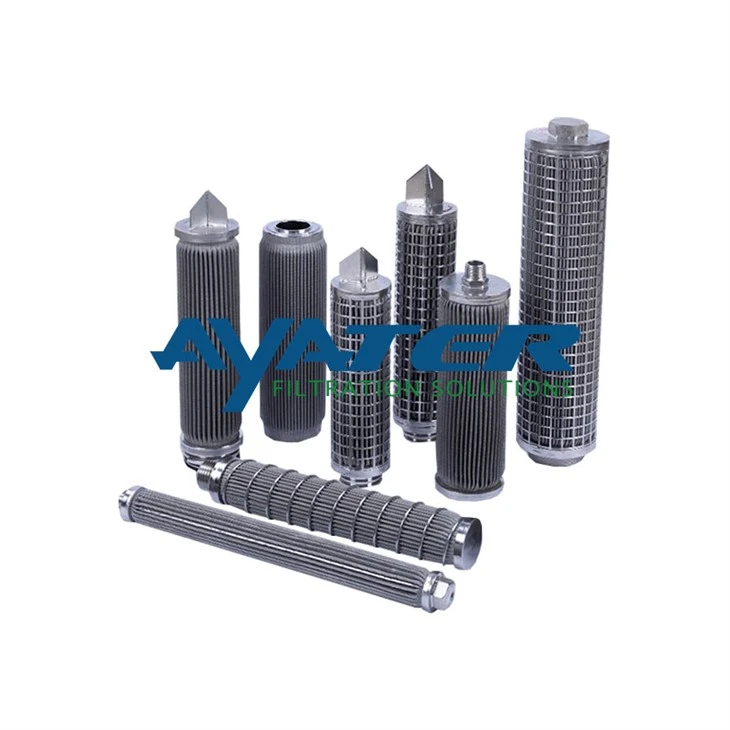
These baskets are used in applications where high - temperature filtration is required, such as in some industrial furnaces or in the filtration of molten metals. They can also be used in water treatment to remove bacteria and other microorganisms.
Choosing the Right Filter Basket
When it comes to choosing the right filter basket for your application, there are several factors to consider. First, you need to think about the size and type of particles you want to filter out. If you're dealing with large particles, a coarser filter basket like a mesh or perforated one might be sufficient. But if you need to filter out very fine particles, a sintered or woven wire filter basket would be a better choice.
The flow rate is another important factor. If you need a high flow rate, a pleated or spun bonded filter basket might be more suitable, as they have a larger surface area. You also need to consider the operating environment. If the filter basket will be exposed to harsh chemicals or high temperatures, a ceramic or sintered filter basket would be more appropriate.
Why Choose Our Filter Baskets?
As a filter basket supplier, we take pride in offering high - quality products. We have a wide range of filter baskets to meet different needs, and we can also customize them according to your specific requirements. Our products are made from top - notch materials, ensuring durability and long - term performance.
We also provide excellent customer service. Our team is always ready to answer your questions and help you choose the right filter basket for your application. Whether you're a small business or a large industrial company, we can provide you with the right solution.
Let's Connect
If you're in the market for filter baskets, I'd love to talk to you. We can discuss your specific needs and find the perfect filter basket for your application. Whether it's for water treatment, food and beverage, or any other industry, we've got you covered. Don't hesitate to reach out and start a conversation about your filter basket requirements.

References
- "Filtration Handbook" by Christopher D. Metzger
- "Industrial Filtration Technology" by Klaus Mothes
- Various industry reports and technical papers on filtration systems