

As a seasoned supplier of spin-on filter elements, I've witnessed firsthand the crucial role these components play in various industries. In this blog, I'll delve into the filtration mechanism of spin-on filter elements, shedding light on how they work to ensure optimal performance and protection for your equipment.
Understanding the Basics of Spin-On Filter Elements
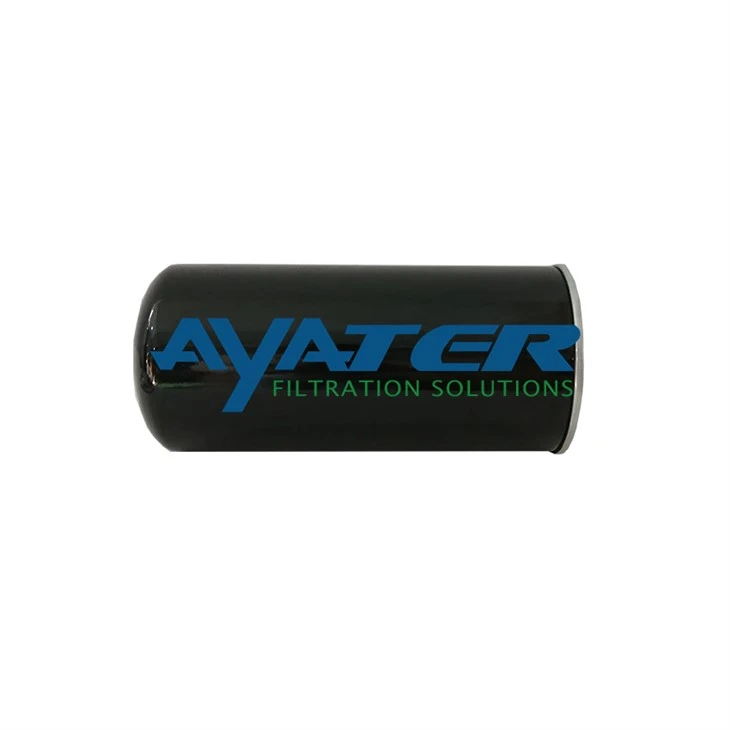
Before we dive into the filtration mechanism, let's first understand what a spin-on filter element is. A spin-on filter element is a self-contained filtration unit that is designed to be easily installed and replaced. It typically consists of a housing, a filter media, and an end cap. The housing provides a protective enclosure for the filter media, while the end cap seals the unit and allows for easy installation and removal.
The filter media is the heart of the spin-on filter element. It is responsible for capturing and removing contaminants from the fluid passing through the filter. The filter media can be made from a variety of materials, including cellulose, synthetic fibers, and metal mesh. Each material has its own unique properties and is suitable for different applications.
The Filtration Mechanism of Spin-On Filter Elements
The filtration mechanism of spin-on filter elements can be divided into three main stages: pre-filtration, main filtration, and post-filtration.
Pre-Filtration
The pre-filtration stage is the first step in the filtration process. It is designed to remove large particles and debris from the fluid before it reaches the main filter media. This helps to protect the main filter media from clogging and extends its service life.
The pre-filtration stage typically consists of a coarse filter media, such as a metal mesh or a cellulose filter. The coarse filter media has large pores that allow the fluid to pass through easily while capturing large particles and debris.
Main Filtration
The main filtration stage is the most important step in the filtration process. It is designed to remove smaller particles and contaminants from the fluid. The main filter media is typically made from a fine filter material, such as a synthetic fiber or a cellulose filter. The fine filter media has small pores that can capture particles as small as a few microns.
As the fluid passes through the main filter media, the contaminants are trapped on the surface of the filter media. The filter media can be designed to have different filtration efficiencies, depending on the application. A higher filtration efficiency means that the filter can capture smaller particles and contaminants.
Post-Filtration
The post-filtration stage is the final step in the filtration process. It is designed to remove any remaining particles and contaminants from the fluid before it exits the filter. The post-filtration stage typically consists of a fine filter media, such as a synthetic fiber or a cellulose filter. The fine filter media has small pores that can capture particles as small as a few microns.
The post-filtration stage helps to ensure that the fluid exiting the filter is clean and free of contaminants. This is important for protecting the equipment downstream from the filter.
Factors Affecting the Filtration Performance of Spin-On Filter Elements
Several factors can affect the filtration performance of spin-on filter elements. These factors include:
Filter Media Type
The type of filter media used in the spin-on filter element can have a significant impact on its filtration performance. Different filter media materials have different filtration efficiencies, pore sizes, and chemical resistance. It is important to choose the right filter media for your application to ensure optimal filtration performance.
Filter Media Area
The filter media area is the surface area of the filter media available for filtration. A larger filter media area means that more fluid can pass through the filter at a given time, which can improve the filtration performance. It is important to choose a spin-on filter element with a sufficient filter media area for your application.
Fluid Viscosity
The viscosity of the fluid being filtered can also affect the filtration performance of spin-on filter elements. A higher viscosity fluid will flow more slowly through the filter media, which can reduce the filtration efficiency. It is important to choose a spin-on filter element that is designed to handle the viscosity of the fluid being filtered.
Contaminant Loading
The amount of contaminants in the fluid being filtered can also affect the filtration performance of spin-on filter elements. A higher contaminant loading means that the filter media will become clogged more quickly, which can reduce the filtration efficiency. It is important to choose a spin-on filter element with a sufficient dirt-holding capacity for your application.
Applications of Spin-On Filter Elements
Spin-on filter elements are used in a wide range of applications, including:
Automotive
Spin-on filter elements are commonly used in automotive engines to filter the engine oil, fuel, and air. They help to protect the engine from wear and damage by removing contaminants from the fluids.
Industrial
Spin-on filter elements are also used in industrial applications, such as hydraulic systems, lubrication systems, and process filtration. They help to ensure the reliability and performance of industrial equipment by removing contaminants from the fluids.
Marine
Spin-on filter elements are used in marine applications to filter the engine oil, fuel, and water. They help to protect the marine engine from corrosion and damage by removing contaminants from the fluids.
Conclusion
In conclusion, spin-on filter elements are an essential component in many industries. They play a crucial role in protecting equipment from wear and damage by removing contaminants from the fluids. Understanding the filtration mechanism of spin-on filter elements is important for choosing the right filter for your application and ensuring optimal performance and protection.
If you're in the market for high-quality spin-on filter elements, Spin-On Filter Element is the solution you've been looking for. We also offer other types of filter elements, such as Suction Filter and Hydraulic Filter Element. Our products are designed to meet the highest standards of quality and performance. Contact us today to discuss your filtration needs and explore how our products can enhance the efficiency and longevity of your equipment.

References
- "Filtration Basics," Filtration + Separation, [Publication details].
- "The Importance of Filter Media Selection," Industrial Filtration Journal, [Publication details].
- "Automotive Filtration Systems," Automotive Engineering Magazine, [Publication details].