

How does a lube filter element work in an industrial engine?
In the complex machinery of industrial engines, the lube filter element serves as a silent guardian, ensuring the smooth and efficient operation of the engine. As a trusted lube filter element supplier, I'm excited to delve into the inner workings of these crucial components and shed light on their significance in maintaining engine health.
The Basics of Lubrication in Industrial Engines
Before we explore the role of the lube filter element, it's essential to understand the importance of lubrication in industrial engines. Lubricating oil plays a multifaceted role in engine operation, including reducing friction between moving parts, dissipating heat, preventing corrosion, and carrying away contaminants. However, over time, the lubricating oil can become contaminated with various particles, such as dirt, metal shavings, and carbon deposits, which can compromise its effectiveness and potentially damage the engine.
How a Lube Filter Element Works
The primary function of a lube filter element is to remove these contaminants from the lubricating oil, ensuring that only clean oil circulates through the engine. The filtering process typically involves several stages, each designed to capture different sizes and types of particles.
Initial Filtration: The first stage of filtration occurs when the lubricating oil enters the filter housing. Here, a pre - filter or screen may be used to capture larger particles, such as debris and dirt clumps. This initial step helps to protect the main filter element from excessive clogging and extends its service life.
Primary Filtration: The main filter element is the heart of the lube filter system. It is typically made of a porous material, such as cellulose, synthetic fibers, or a combination of both. As the oil passes through the filter element, the pores trap smaller particles, including metal particles, carbon deposits, and abrasive contaminants. The size of the pores in the filter element determines the level of filtration, with smaller pores capable of capturing finer particles.
Secondary Filtration (Optional): In some advanced lube filter systems, a secondary filter element or a bypass filter may be used to provide additional filtration. The secondary filter can capture even smaller particles that may have passed through the primary filter, further improving the cleanliness of the lubricating oil. The bypass filter, on the other hand, diverts a small portion of the oil flow through a high - efficiency filter to remove extremely fine contaminants.
Contaminant Retention: Once the contaminants are captured by the filter element, they are retained within the filter media. As the filter accumulates more contaminants, the pressure drop across the filter increases. When the pressure drop reaches a certain level, it indicates that the filter element is approaching the end of its service life and needs to be replaced.
The Importance of a High - Quality Lube Filter Element
Using a high - quality lube filter element is crucial for the long - term performance and reliability of an industrial engine. Here are some key reasons why:
Engine Protection: A good lube filter element effectively removes contaminants from the lubricating oil, preventing them from causing wear and damage to the engine's moving parts. This helps to extend the engine's service life and reduce the risk of costly breakdowns.
Improved Lubrication Efficiency: Clean lubricating oil provides better lubrication, reducing friction and heat generation in the engine. This, in turn, improves fuel efficiency and overall engine performance.
Compliance with Manufacturer Requirements: Many engine manufacturers specify the use of certain types of lube filter elements to ensure optimal engine performance and warranty compliance. Using a high - quality filter element that meets or exceeds these requirements is essential.
Types of Lube Filter Elements
There are several types of lube filter elements available in the market, each with its own unique features and applications.
Suction Filter: Suction filters are typically installed at the inlet of the oil pump to prevent large particles from entering the pump and the rest of the lubrication system. They are designed to provide coarse filtration and protect the pump from damage. You can learn more about suction filters here.
Coalescer Separator Cartridge: Coalescer separator cartridges are used to remove water and other immiscible fluids from the lubricating oil. They work by causing the droplets of water to coalesce into larger droplets, which can then be separated from the oil. To find out more about coalescer separator cartridges, click here.
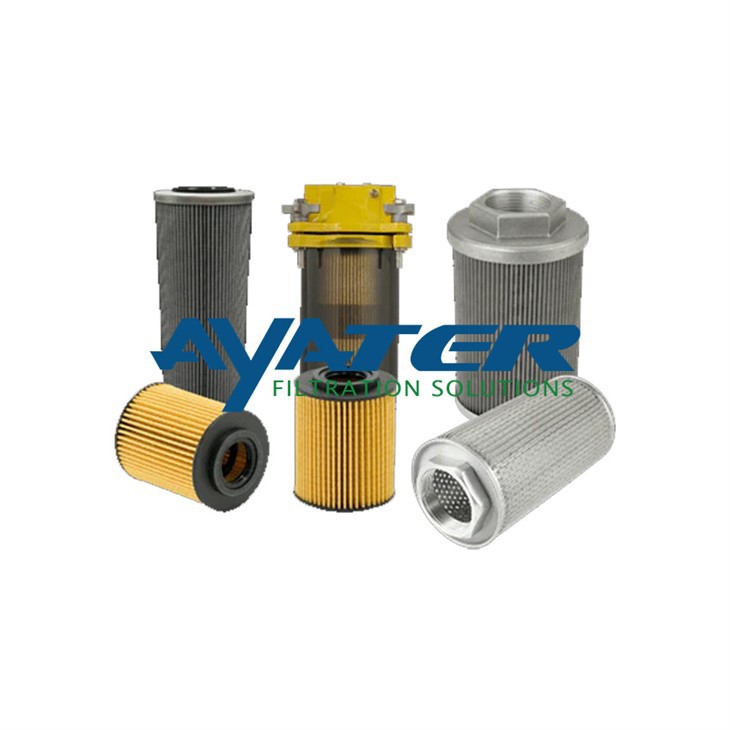

Lube Filter Element: Standard lube filter elements are designed to remove solid contaminants from the lubricating oil. They come in various sizes, filtration ratings, and materials to suit different engine types and applications. For more information on our lube filter elements, visit this page.
Maintenance and Replacement of Lube Filter Elements
Regular maintenance and timely replacement of lube filter elements are essential for ensuring the proper functioning of the lubrication system. Here are some general guidelines:
Follow Manufacturer Recommendations: Always follow the engine manufacturer's recommendations regarding the frequency of filter element replacement. This may vary depending on the engine type, operating conditions, and the type of filter element used.
Monitor Pressure Drop: Keep an eye on the pressure drop across the filter element. An increase in pressure drop indicates that the filter is becoming clogged and needs to be replaced.
Inspect Filter Elements: During maintenance, inspect the filter elements for signs of damage, such as tears, holes, or excessive clogging. If any damage is detected, replace the filter element immediately.
Conclusion
In conclusion, the lube filter element plays a vital role in the operation of an industrial engine. By effectively removing contaminants from the lubricating oil, it protects the engine from wear and damage, improves lubrication efficiency, and ensures long - term reliability. As a lube filter element supplier, we are committed to providing high - quality filter elements that meet the diverse needs of our customers.
If you are in the market for lube filter elements or have any questions about our products, we invite you to contact us for a detailed discussion. Our team of experts is ready to assist you in finding the right filter solutions for your industrial engines.
References
- "Fundamentals of Engine Lubrication," SAE International.
- "Filter Technology Handbook," Parker Hannifin Corporation.
- "Lubrication Systems for Industrial Engines," Cummins Inc.