

Hey there! As an oil filter element supplier, I've seen firsthand how crucial these little components are in protecting engines from wear and tear. In this blog post, I'll break down the ins and outs of how oil filter elements work their magic to keep engines running smoothly.
Understanding the Basics of Engine Wear and Tear
Before we dive into how oil filter elements protect engines, let's quickly go over what causes engine wear and tear in the first place. Engines are complex machines with many moving parts that rub against each other at high speeds. Over time, this friction can cause parts to wear down, leading to decreased performance, increased fuel consumption, and even engine failure.
One of the main culprits behind engine wear is contaminants in the oil. As the engine runs, it picks up dirt, metal particles, soot, and other debris. If these contaminants are allowed to circulate freely in the oil, they can act like sandpaper, scratching and abrading the engine's internal components. This is where oil filter elements come in.
How Oil Filter Elements Work
Oil filter elements are designed to trap and remove contaminants from the engine oil before they can cause damage. They work on a simple principle: as the oil flows through the filter, the contaminants get caught in the filter media, while the clean oil passes through and continues to lubricate the engine.

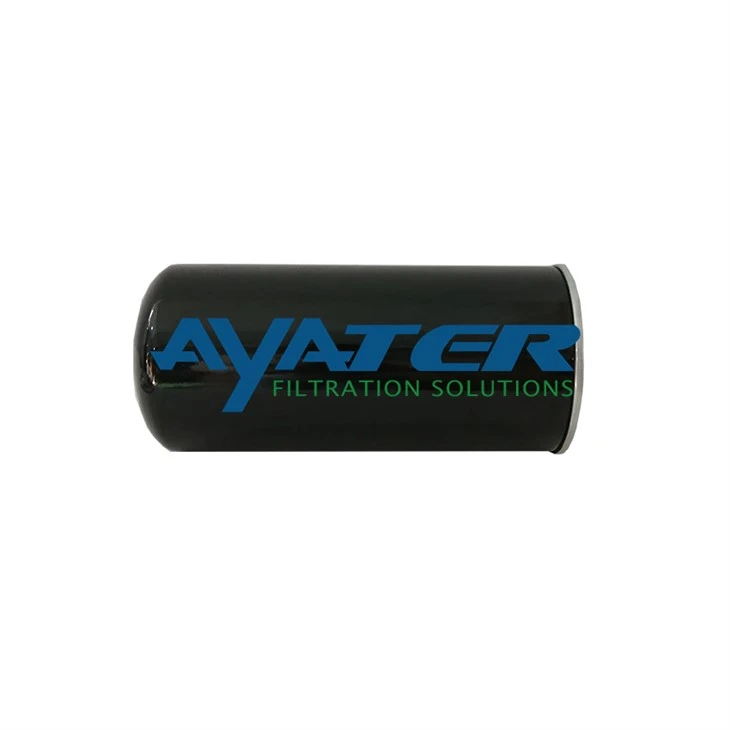
Most oil filter elements use a combination of mechanical and chemical filtration to achieve this. Mechanical filtration involves physically trapping contaminants in the filter media, which is typically made of paper, synthetic fibers, or a combination of both. The filter media has tiny pores that are small enough to catch even the smallest particles, but large enough to allow the oil to flow through freely.
Chemical filtration, on the other hand, involves using additives in the filter media to neutralize acids and other harmful substances in the oil. These additives can help prevent corrosion and oxidation, which can also contribute to engine wear and tear.
Types of Oil Filter Elements
There are several types of oil filter elements available on the market, each with its own unique features and benefits. Here are some of the most common types:
- Coalescer Separator Cartridge: These filters are designed to remove water and other liquids from the engine oil. They work by using a special filter media that causes the water droplets to coalesce into larger droplets, which then separate from the oil and settle at the bottom of the filter. You can learn more about Coalescer Separator Cartridge on our website.
- Spin-On Filter Element: These are the most common type of oil filter elements. They are easy to install and replace, and they come in a variety of sizes and configurations to fit different engines. Spin-on filters are typically made of a metal canister with a filter element inside, and they are attached to the engine using a threaded base. Check out our Spin-On Filter Element for more details.
- Suction Filter: These filters are located at the bottom of the oil pan and are designed to prevent large contaminants from entering the oil pump. They are typically made of a coarse mesh or screen that allows the oil to flow through while trapping larger particles. You can find more information about Suction Filter on our website.
Benefits of Using High-Quality Oil Filter Elements
Using high-quality oil filter elements can provide several benefits for your engine, including:
- Improved Engine Performance: By removing contaminants from the oil, oil filter elements help keep the engine's internal components clean and lubricated. This can improve engine performance, reduce friction, and increase fuel efficiency.
- Extended Engine Life: Contaminants in the oil can cause premature wear and tear on the engine's internal components, leading to costly repairs and replacements. By using a high-quality oil filter element, you can help extend the life of your engine and avoid these expensive repairs.
- Reduced Maintenance Costs: Regularly replacing your oil filter element can help prevent engine damage and reduce the need for costly maintenance and repairs. This can save you money in the long run and keep your engine running smoothly for years to come.
How to Choose the Right Oil Filter Element
Choosing the right oil filter element for your engine is important to ensure optimal performance and protection. Here are some factors to consider when choosing an oil filter element:
- Engine Type and Size: Different engines require different types and sizes of oil filter elements. Make sure to choose a filter that is specifically designed for your engine to ensure a proper fit and optimal performance.
- Filter Efficiency: The efficiency of an oil filter element is measured by its ability to remove contaminants from the oil. Look for filters with a high filtration efficiency rating to ensure maximum protection for your engine.
- Filter Capacity: The capacity of an oil filter element refers to the amount of contaminants it can hold before it needs to be replaced. Choose a filter with a high capacity if you drive in dusty or dirty conditions, or if you have a high-performance engine that generates a lot of contaminants.
Maintaining Your Oil Filter Element
To ensure optimal performance and protection, it's important to maintain your oil filter element properly. Here are some tips to help you do that:
- Follow the Manufacturer's Recommendations: Make sure to follow the manufacturer's recommendations for oil filter replacement intervals. This will ensure that your engine is always protected by a clean and efficient filter.
- Check the Filter Regularly: It's a good idea to check the oil filter element regularly for signs of damage or clogging. If you notice any signs of damage or clogging, replace the filter immediately.
- Use High-Quality Oil: Using high-quality oil can help reduce the amount of contaminants in the engine oil, which can extend the life of your oil filter element. Make sure to use the type of oil recommended by the engine manufacturer.
Conclusion
As you can see, oil filter elements play a crucial role in protecting engines from wear and tear. By trapping and removing contaminants from the engine oil, they help keep the engine's internal components clean and lubricated, which can improve performance, extend engine life, and reduce maintenance costs.
If you're in the market for high-quality oil filter elements, look no further! As a leading oil filter element supplier, we offer a wide range of filters to meet your needs. Whether you're looking for a Coalescer Separator Cartridge, a Spin-On Filter Element, or a Suction Filter, we've got you covered.
So, if you're interested in learning more about our products or would like to discuss your specific needs, please don't hesitate to get in touch. We'd be happy to help you find the right oil filter element for your engine and answer any questions you may have. Let's work together to keep your engines running smoothly!
References
- Bosch Automotive Aftermarket. (n.d.). How an Oil Filter Works. Retrieved from https://www.bosch-automotive.com/en/aftermarket/service-information/repair-information/oil-filter/how-an-oil-filter-works/
- Fram. (n.d.). Types of Oil Filters. Retrieved from https://www.fram.com/types-of-oil-filters/
- Mobil. (n.d.). The Importance of Oil Filters. Retrieved from https://www.mobil.com/en-us/car-care/importance-of-oil-filters