

Diesel oil purifiers play a crucial role in maintaining the quality of diesel fuel, which in turn is essential for the efficient operation of diesel engines. As a supplier of diesel oil purifiers, I understand the importance of optimizing the performance of these devices to ensure that our customers get the best results. In this blog post, I will share some key strategies and tips on how to optimize the performance of a diesel oil purifier.
Understanding the Working Principle of Diesel Oil Purifiers
Before diving into the optimization methods, it's important to understand how diesel oil purifiers work. Diesel oil purifiers are designed to remove contaminants such as water, dirt, and other impurities from diesel fuel. The basic working principle involves passing the diesel fuel through a series of filtration and separation stages.

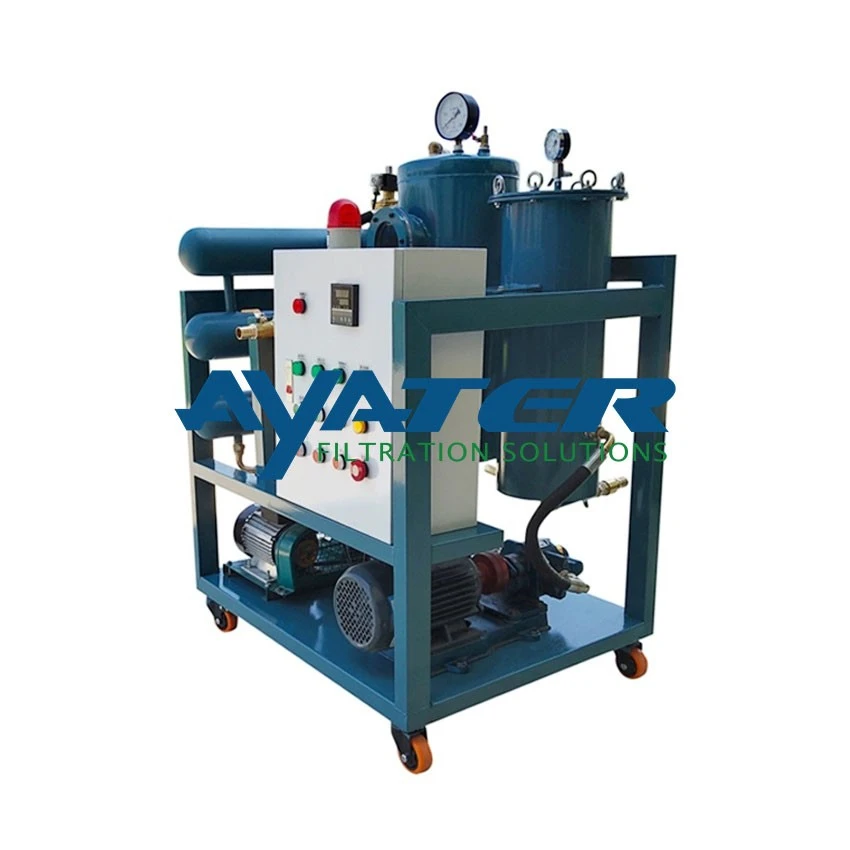
The first stage usually involves a pre - filter that traps large particles of dirt and debris. This protects the subsequent stages from getting clogged too quickly. The next stage often includes a coalescing filter, which combines fine water droplets into larger ones, making them easier to separate. Finally, a separator, such as a centrifuge or a gravity separator, removes the separated water and other contaminants from the diesel fuel.
Selecting the Right Diesel Oil Purifier for the Application
One of the most important factors in optimizing the performance of a diesel oil purifier is choosing the right one for the specific application. Different applications have different requirements in terms of flow rate, level of contamination, and the quality of the final purified fuel.
For example, industrial applications with high - volume fuel consumption and relatively high levels of contamination may require a more powerful and robust purifier. Our Fuel Polishing Unit is a great choice for such applications. It is designed to handle large volumes of diesel fuel and can effectively remove a wide range of contaminants, ensuring that the fuel meets the required quality standards.
On the other hand, small - scale applications such as generators used in remote areas may need a more compact and cost - effective purifier. Our Diesel Fuel Filtration Skid is suitable for such scenarios, offering reliable filtration with a relatively small footprint.
Regular Maintenance and Inspection
Regular maintenance and inspection are vital for optimizing the performance of a diesel oil purifier. Here are some key maintenance tasks:
- Filter Replacement: Filters are the heart of the purifier, and they need to be replaced at regular intervals. Over time, filters become clogged with contaminants, which reduces their efficiency and can even lead to a decrease in the flow rate of the fuel. By replacing the filters as recommended by the manufacturer, you can ensure that the purifier continues to operate at its peak performance.
- Cleaning the Separation Chamber: In purifiers with a separation chamber, such as centrifuges or gravity separators, the chamber needs to be cleaned periodically. Sediments and other contaminants can accumulate in the chamber, affecting the separation efficiency. Regular cleaning will help maintain the proper functioning of the separator.
- Checking Seals and Gaskets: Leaks in the purifier can lead to a loss of fuel and a decrease in performance. Regularly check the seals and gaskets for any signs of wear or damage, and replace them as necessary.
Monitoring and Controlling Operating Conditions
To optimize the performance of a diesel oil purifier, it's important to monitor and control the operating conditions. Here are some key parameters to consider:
- Flow Rate: The flow rate of the diesel fuel through the purifier should be within the recommended range. If the flow rate is too high, the purifier may not have enough time to effectively remove all the contaminants. On the other hand, if the flow rate is too low, it may indicate a problem with the system, such as a clogged filter.
- Temperature: The temperature of the diesel fuel can affect its viscosity and the performance of the purifier. In general, the purifier operates most efficiently within a certain temperature range. If the fuel temperature is too low, its viscosity will increase, making it more difficult to filter and separate. If the temperature is too high, it can cause damage to the filters and other components.
- Pressure: Monitoring the pressure at different points in the purifier system is also important. A significant increase in pressure may indicate a clogged filter, while a decrease in pressure may suggest a leak or a problem with the pump.
Upgrading and Retrofitting
As technology advances, there may be opportunities to upgrade or retrofit your diesel oil purifier to improve its performance. For example, you can upgrade the filters to more advanced models that offer better filtration efficiency and longer service life. Our Fuel Filter Coalescer Units are designed with the latest technology to provide superior filtration performance.
In addition, some purifiers can be retrofitted with additional sensors or control systems that can help monitor and optimize the operating conditions more effectively. These upgrades can not only improve the performance of the purifier but also reduce the maintenance costs in the long run.
Training and Education for Operators
Proper training and education for the operators of the diesel oil purifier are essential. Operators should be familiar with the working principle, maintenance requirements, and operating procedures of the purifier. By providing comprehensive training, you can ensure that the operators are able to use the purifier correctly and identify and address any potential problems in a timely manner.
Conclusion
Optimizing the performance of a diesel oil purifier is a multi - faceted process that involves selecting the right purifier for the application, regular maintenance and inspection, monitoring and controlling operating conditions, upgrading and retrofitting, and providing proper training for the operators. By following these strategies, you can ensure that your diesel oil purifier operates at its peak performance, providing high - quality purified diesel fuel and reducing the risk of engine damage and downtime.
If you are interested in learning more about our diesel oil purifiers or need advice on optimizing the performance of your existing purifier, please feel free to contact us for a consultation. We are committed to providing the best solutions for your diesel fuel purification needs.
References
- Smith, J. (2020). Diesel Fuel Quality and Filtration. Journal of Petroleum Engineering.
- Johnson, R. (2019). Principles of Diesel Oil Purification. Industrial Fuel Technology Magazine.
- Brown, A. (2021). Advances in Diesel Oil Purifier Technology. International Journal of Energy and Environmental Science.