

What are the signs that a suction filter needs to be replaced?
As a supplier of suction filters, I've encountered numerous situations where customers are unsure whether their suction filters require replacement. Recognizing the signs that indicate a suction filter needs to be replaced is crucial for maintaining the efficiency and longevity of your equipment. In this blog, I'll delve into the key indicators that suggest it's time to swap out your suction filter.
1. Reduced Flow Rate
One of the most common signs that a suction filter is due for replacement is a noticeable reduction in the flow rate of the fluid passing through the system. A suction filter's primary function is to trap contaminants and debris, preventing them from entering the equipment. Over time, as the filter accumulates more and more particles, it becomes clogged. This clogging restricts the flow of fluid, causing a decrease in the flow rate.
If you notice that the equipment is taking longer to fill, or if the pressure gauge indicates a lower than normal pressure, it could be a sign that the suction filter is clogged. For example, in a hydraulic system, a clogged suction filter can lead to slower actuator movement and reduced overall system performance. In a lubrication system, a reduced flow rate can result in inadequate lubrication, which can cause premature wear and tear on the moving parts.
2. Increased Pressure Differential
Another tell - tale sign of a failing suction filter is an increased pressure differential across the filter. The pressure differential is the difference in pressure between the inlet and the outlet of the filter. When a filter is clean, the pressure differential is relatively low. However, as the filter becomes clogged, the resistance to fluid flow increases, causing the pressure on the inlet side to rise while the pressure on the outlet side remains relatively constant.

Most suction filters are equipped with a pressure differential indicator. This device monitors the pressure difference across the filter and alerts you when it reaches a certain threshold. If the pressure differential indicator shows a high reading, it's a clear sign that the filter is clogged and needs to be replaced. Ignoring a high pressure differential can lead to damage to the filter housing and other components in the system.
3. Contaminated Fluid
Inspecting the fluid downstream of the suction filter can also provide valuable insights into the condition of the filter. If you notice that the fluid appears dirty, cloudy, or contains visible particles, it could indicate that the suction filter is no longer effectively removing contaminants. This could be due to a damaged filter element or a clogged filter that is allowing contaminants to bypass the filter media.
In some cases, the presence of contaminants in the fluid can also cause corrosion and other damage to the equipment. For example, in a fuel system, contaminated fuel can damage the fuel injectors and other components, leading to poor engine performance and increased emissions. Regularly sampling and analyzing the fluid can help you detect any signs of contamination early and take appropriate action.
4. Unusual Noise or Vibration
A clogged or failing suction filter can also cause unusual noise or vibration in the equipment. When the filter is clogged, the pump has to work harder to draw fluid through the filter. This increased workload can cause the pump to vibrate more than normal and produce a whining or groaning noise.
In addition, if the filter element becomes damaged or dislodged, it can cause turbulent flow in the system, which can also result in noise and vibration. If you notice any unusual noise or vibration coming from the equipment, it's important to check the suction filter as soon as possible. Ignoring these signs can lead to more serious problems, such as pump failure.
5. Visual Inspection
A simple visual inspection of the suction filter can also reveal whether it needs to be replaced. Over time, the filter element can become discolored, deformed, or damaged. If you notice any signs of physical damage, such as tears, holes, or cracks in the filter element, it's a clear indication that the filter needs to be replaced.
In addition, if the filter housing is dirty or covered in debris, it could indicate that the filter is not functioning properly. A dirty filter housing can also prevent the filter from sealing properly, allowing contaminants to bypass the filter. Regularly inspecting the suction filter can help you catch any problems early and prevent more serious damage to the equipment.
Importance of Timely Replacement
Replacing a suction filter in a timely manner is essential for maintaining the efficiency and reliability of your equipment. A clogged or failing suction filter can cause a variety of problems, including reduced flow rate, increased energy consumption, premature wear and tear on the equipment, and even system failure.
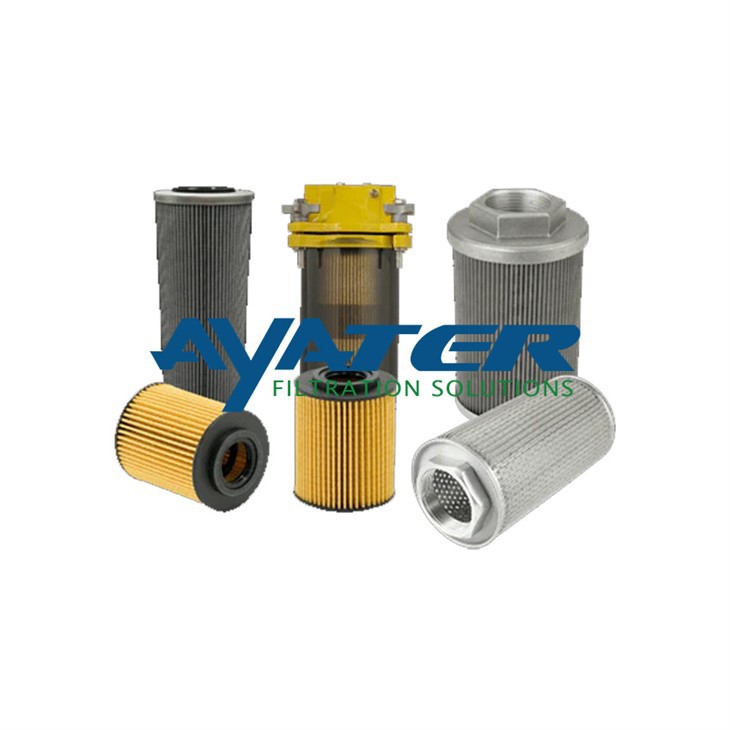
By regularly monitoring the signs mentioned above and replacing the suction filter when necessary, you can ensure that your equipment operates at peak performance and avoid costly repairs and downtime.
Related Products
If you're in the market for a new suction filter or other related filter products, we offer a wide range of high - quality options. Our Lube Filter Element is designed to provide excellent filtration performance for lubrication systems, ensuring that your equipment is properly lubricated and protected. Our Suction Filter is specifically engineered to trap contaminants and debris, preventing them from entering the system. And our Coalescer Separator Cartridge is ideal for separating water and other contaminants from oil.
Conclusion
Recognizing the signs that a suction filter needs to be replaced is crucial for the proper maintenance of your equipment. By paying attention to the flow rate, pressure differential, fluid quality, noise and vibration, and conducting regular visual inspections, you can ensure that your suction filter is functioning properly and replace it when necessary.
If you have any questions about suction filters or need help selecting the right filter for your application, please don't hesitate to contact us. We're here to help you find the best filtration solutions for your needs and ensure the smooth operation of your equipment. Feel free to reach out to us to start a procurement discussion and explore how our products can benefit your operations.
References
- "Filtration Handbook" by Peter A. Williams
- "Hydraulic Systems and Components: A Conceptual Introduction" by Thomas Scheidl
- Industry standards and guidelines related to suction filter maintenance and replacement