

As a supplier of portable filter carts, I often encounter customers who are confused about the differences between disposable and reusable filters. In this blog post, I'll delve into the details of these two types of filters, their respective advantages and disadvantages, and how they impact the performance and cost - effectiveness of portable filter carts.
1. Basic Concepts of Disposable and Reusable Filters
Disposable Filters
Disposable filters are designed for single - use applications. Once they reach their maximum dirt - holding capacity or become clogged, they are discarded and replaced with a new one. These filters are typically made of materials such as cellulose, synthetic fibers, or a combination of both. The manufacturing process is optimized to provide high - efficiency filtration in a cost - effective way for a limited period.

Reusable Filters
Reusable filters, on the other hand, are built to last. They are usually constructed from more durable materials like stainless steel mesh, sintered metal, or ceramic. When they get dirty, instead of throwing them away, they can be cleaned and restored to their original filtering performance. This process may involve back - flushing, ultrasonic cleaning, or chemical cleaning depending on the type of filter and the contaminants it has captured.

2. Filtration Efficiency
Disposable Filters
Disposable filters can offer high initial filtration efficiency. The fine fibers or porous structure of the filter media can effectively trap small particles, often down to the micron level. For example, some high - quality disposable cellulose filters can remove particles as small as 1 - 5 microns with a high degree of efficiency. However, as the filter accumulates dirt, its efficiency may gradually decline. The pressure drop across the filter increases as the pores become blocked, which can reduce the flow rate of the fluid passing through the portable filter cart.
Reusable Filters
Reusable filters generally maintain a more consistent filtration efficiency over time. Since they can be cleaned, the original pore size and structure of the filter media are restored after each cleaning cycle. For instance, a stainless - steel mesh filter can continuously provide a stable filtration rating, whether it is brand new or after multiple cleaning processes. However, in some cases, very fine particles may get lodged deep within the filter media, which can slightly affect its long - term efficiency if not properly cleaned.
3. Cost Considerations
Disposable Filters
The upfront cost of disposable filters is relatively low. This makes them an attractive option for customers on a tight budget or those who have short - term filtration needs. However, over the long run, the cost of continuously replacing disposable filters can add up. For example, in a high - volume industrial application where the portable filter cart is running continuously, the cost of purchasing new filters every few weeks can become a significant expense.
Reusable Filters
Reusable filters have a higher initial purchase price compared to disposable filters. But considering their long - term use, they can be more cost - effective. Once the initial investment is made, the only additional cost is the cleaning process, which is generally much less expensive than buying new filters repeatedly. For large - scale operations that require continuous filtration, the cost savings of using reusable filters can be substantial over time.
4. Environmental Impact
Disposable Filters
Disposable filters contribute to waste generation. Since they are discarded after use, they end up in landfills, which can have a negative environmental impact. The materials used in disposable filters, such as plastics and cellulose, may take a long time to decompose. Additionally, the manufacturing process of disposable filters also consumes resources and energy.
Reusable Filters
Reusable filters are more environmentally friendly. By reducing the amount of waste sent to landfills, they help conserve natural resources. The cleaning process of reusable filters, although it may require some energy and chemicals, is generally less resource - intensive than manufacturing new filters. This makes them a more sustainable choice for environmentally conscious customers.
5. Maintenance Requirements
Disposable Filters
Maintenance of disposable filters is relatively simple. When the pressure drop across the filter reaches a certain level or when the filtration efficiency drops below an acceptable threshold, the filter is simply replaced. This requires minimal technical knowledge and can be done quickly, reducing downtime of the portable filter cart.
Reusable Filters
Reusable filters require more complex maintenance. The cleaning process needs to be carried out properly to ensure the filter's performance is restored. This may involve following specific cleaning procedures, using appropriate cleaning agents, and having the necessary equipment. Improper cleaning can damage the filter media and reduce its filtration efficiency. However, once the maintenance routine is established, it can be carried out regularly to keep the filter in good working condition.
6. Application Suitability
Disposable Filters
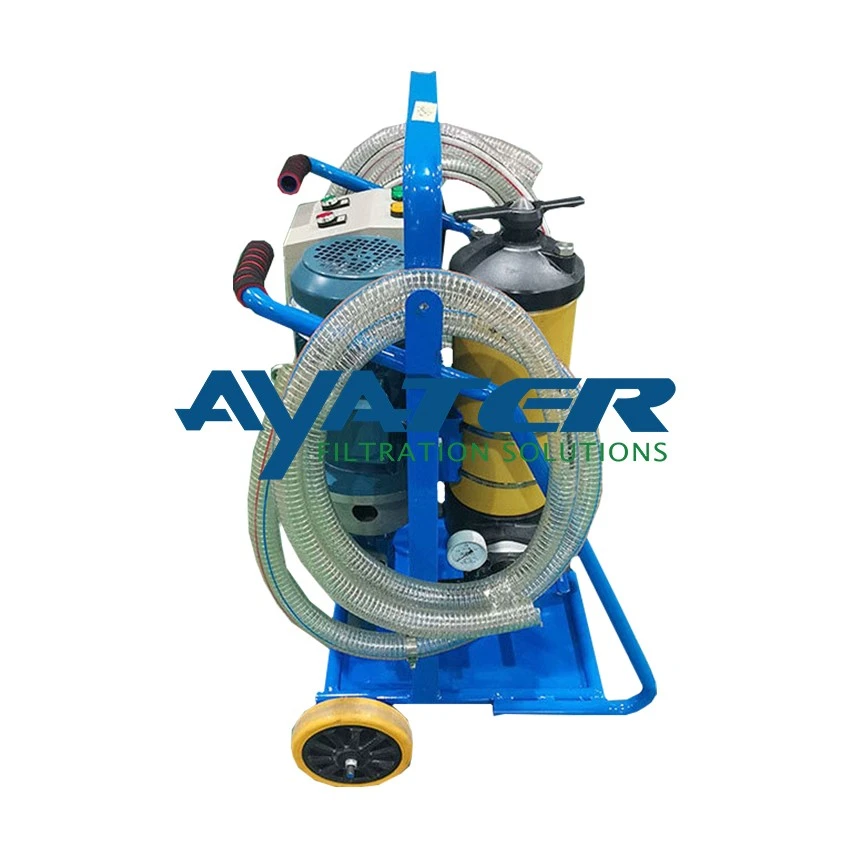
Disposable filters are well - suited for applications where the contaminants are relatively easy to filter and the filtration requirements are not extremely high. They are also ideal for short - term projects or applications with low - volume filtration needs. For example, in a small - scale workshop where the portable filter cart is used occasionally to filter hydraulic oil, disposable filters can be a convenient and cost - effective choice. You can find suitable portable filter carts for such applications on our website, like the Mobile Filter System Basic Cart.
Reusable Filters
Reusable filters are more appropriate for high - volume, continuous - use applications where consistent filtration efficiency is crucial. They are also suitable for applications that deal with difficult - to - filter contaminants, such as viscous oils or fluids with a high concentration of solid particles. For instance, in large - scale industrial plants that use hydraulic systems extensively, a Hydraulic Oil Filter Cart equipped with reusable filters can ensure reliable and long - term filtration.

7. Impact on Portable Filter Cart Performance
Disposable Filters
The use of disposable filters can have a significant impact on the performance of a portable filter cart. As the filter clogs, the pressure drop across the filter increases, which can put additional strain on the pump of the filter cart. This may lead to reduced flow rates and increased energy consumption. In extreme cases, a severely clogged disposable filter can even cause the pump to fail.
Reusable Filters
Reusable filters generally have a more stable impact on the performance of the portable filter cart. Since they can be cleaned and restored, the pressure drop across the filter remains relatively constant over time. This allows the pump to operate more efficiently, maintaining a consistent flow rate and reducing the risk of pump failure. For example, our Mobile Oil Filter Cart performs optimally when equipped with reusable filters, ensuring smooth and reliable operation.
Conclusion
In summary, both disposable and reusable filters have their own unique advantages and disadvantages. Disposable filters offer low upfront costs and simple maintenance, making them suitable for short - term and low - volume applications. On the other hand, reusable filters provide long - term cost savings, better environmental performance, and more consistent filtration efficiency, which are ideal for high - volume and continuous - use scenarios.
As a supplier of portable filter carts, we understand that choosing the right filter is crucial for the performance and cost - effectiveness of your filtration system. We are here to help you make an informed decision based on your specific requirements. If you have any questions about disposable or reusable filters, or if you are interested in purchasing a portable filter cart, please feel free to contact us for a detailed discussion and to explore the best solutions for your needs.
References
- "Filtration Handbook", Third Edition, by Christopher D. Higgs
- "Industrial Filtration Technology" by Michael P. Rutland
- Technical documents from filter manufacturers and industry research reports.