

Selecting the right industrial self-cleaning filter is critical for maintaining operational efficiency and protecting downstream equipment. Yet, many industrial operators make avoidable errors during the selection process that lead to increased downtime, higher costs, and subpar filtration. As specialists in industrial water treatment with over 15 years of experience, we've identified the most frequent pitfalls – and how to avoid them.
Understanding Self-Cleaning Filters
Automatic Self-Cleaning Filters continuously remove contaminants from liquids without manual intervention. Using sensors and automated controls, they initiate cleaning cycles when differential pressure reaches a predetermined setpoint. This technology eliminates production stoppages for filter changes, making them indispensable for continuous processes in industries like manufacturing, power generation, and food processing.
The 5 Critical Mistakes to Avoid
1. Prioritizing Initial Cost Over Lifetime Value
Many buyers focus solely on purchase price while ignoring:
- Energy consumption during cleaning cycles
- Replacement part frequency and costs
- Impact on downstream equipment maintenance
"A 20% savings on filter purchase price often becomes a 200% cost increase when accounting for unplanned downtime." – Senior Process Engineer, Power Plant
2. Mismatching Micron Rating to Actual Needs
Selecting incorrect filtration fineness causes either insufficient protection or excessive pressure drop. Consider:
| Application | Recommended Micron Rating | Common Mistake |
| Cooling Tower Inlet | 200-500 microns | Using 50-micron filters unnecessarily |
| RO Membrane Protection | 5-20 microns | Selecting >50-micron filters |
| Process Water Recycling | 10-100 microns | Not adjusting for seasonal contaminant changes |
3. Ignoring Contaminant Characteristics
Different particles require specific cleaning mechanisms:
- Brush Self-cleaning Filter: Best for organic slimes and soft sediments
- Scraper Self Cleaning Filter: Essential for crystalline or abrasive particles
Choosing the wrong type leads to incomplete cleaning and eventual clogging.
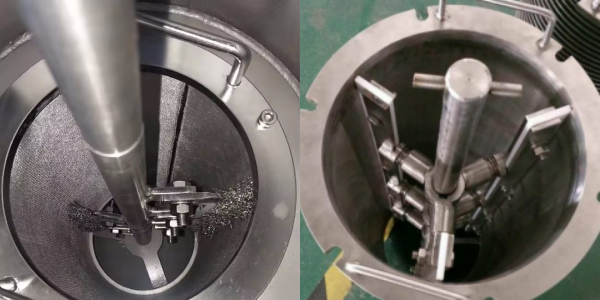
The left image shows the internal structure of a brush self-cleaning filter
The right image shows the internal structure of a scraper self-cleaning filter
4. Underestimating Flow Rate Requirements
Critical errors include:
- Not accounting for peak flow variations
- Ignoring pressure drop at maximum flow
- Forgetting to factor in future capacity expansions
Always specify flow rates at both normal and peak operating conditions.
5. Overlooking Chemical Compatibility
Filter materials must withstand:
- pH extremes in cleaning solutions
- Oxidizing biocides
- Process-specific chemicals
Material failures due to corrosion or swelling are among the top causes of premature system replacement.
Our Engineered Solutions
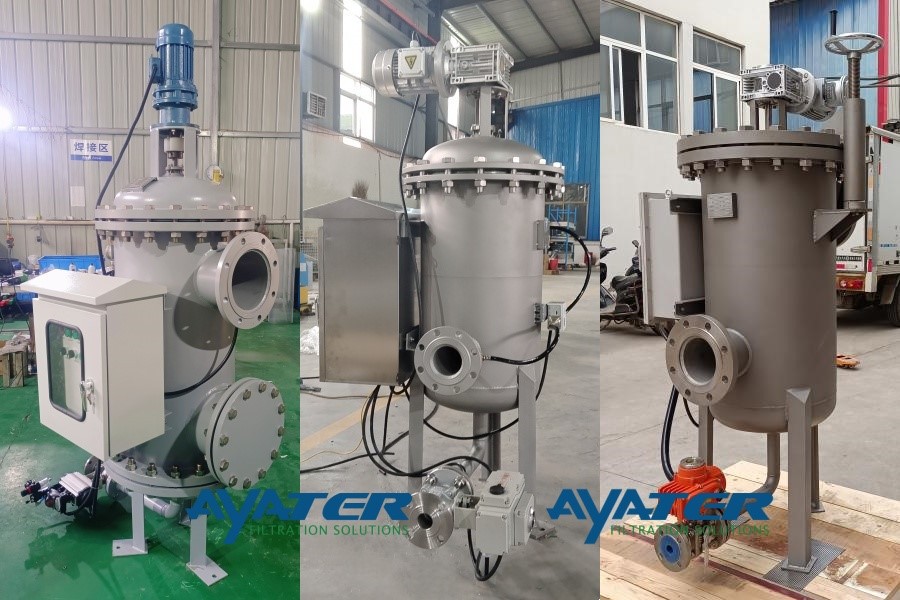
At XinXiang Saya Filters Co.,Ltd, we've designed SYZ series self-cleaning filter to eliminate these mistakes:
- Proprietary selection guide that considers flow dynamics and contaminant distribution.
- Modular Design: Upgrade cleaning mechanisms (brush/scraper/hydro) as needs evolve.
- Material Science: 316L stainless steel, specialty alloys, and chemical-resistant polymers.
- Proactive Monitoring: IoT-enabled filters that predict maintenance needs.
Conclusion: Choose With Confidence
By avoiding these five common mistakes, you ensure optimal performance of your Automatic Self Cleaning Filter system. Remember that proper selection requires understanding both your current process parameters and future operational goals.
Optimize Your Filtration System Today
Ready to eliminate filtration mistakes? Explore our engineered solutions:
Have complex application needs?
Consult Our Engineers for a system analysis